Career guides
Direct answers on licences, pay and career paths. Every fact links to its source.
Licence guides
 18th Edition BS 7671: what it is and who needs itThe 18th Edition is BS 7671, the IET Wiring Regulations, now at Amendment 4:2026. What the 2382 and EAL awards cover, who needs them and when to update.
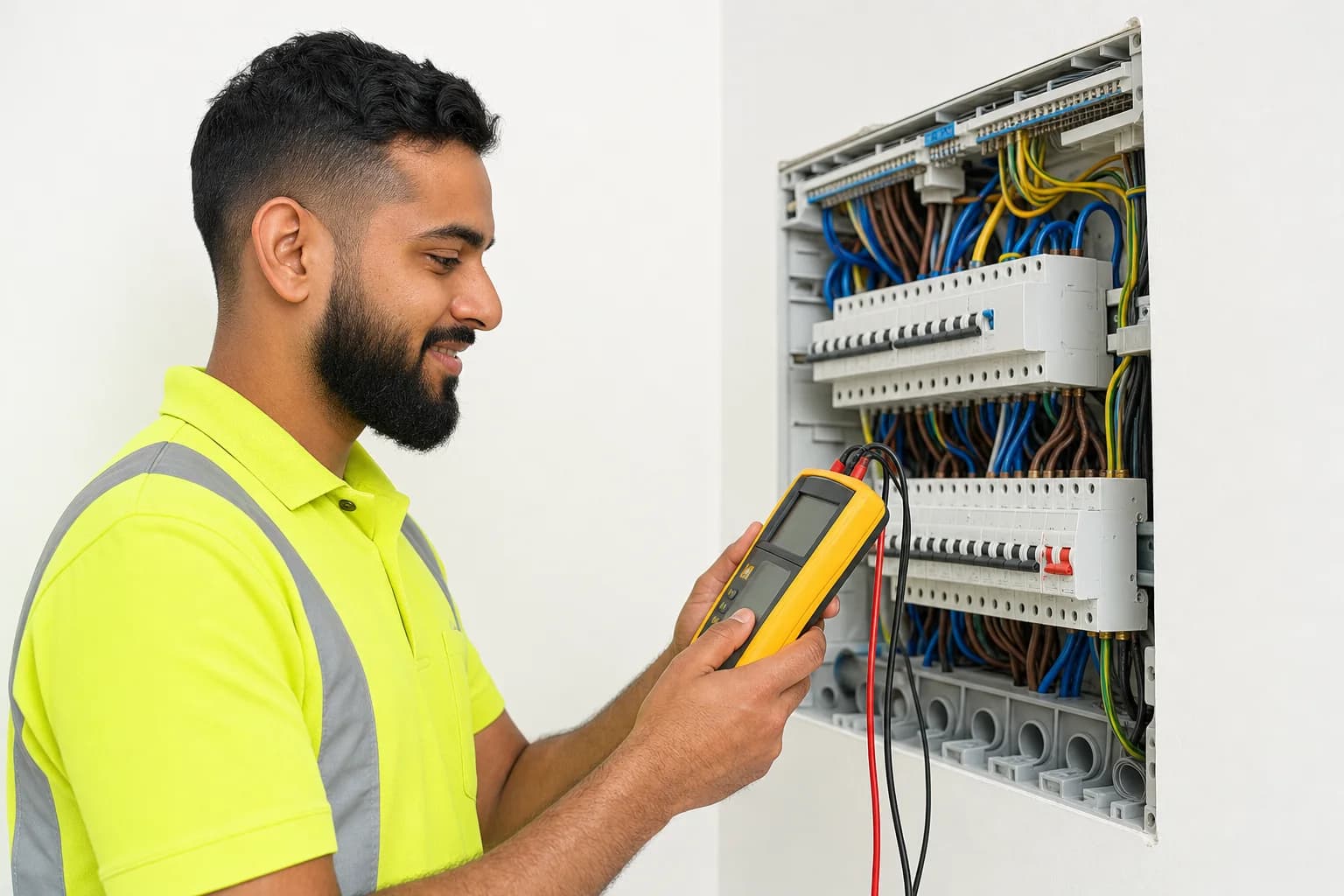 2391 inspection and testing qualification explainedWhat the City & Guilds 2391-50, 2391-51 and 2391-52 cover, the EAL equivalent, who can enrol, how the exam works and what it lets you do on site.
 AM2 assessment: what it tests and how to pass itThe AM2 is the practical competence test electricians sit at a NET centre: five timed assessments over two and a half days. Who sits it and how to prepare.
 AM2 vs AM2S vs AM2E: which assessment fits your routeAM2S for apprentices, AM2 for Level 3 NVQ learners, AM2E for experienced workers. What each version covers, who can take it and where it fits.
 ECS gold card: how to get the JIB electrician cardHow to get an ECS Installation Electrician gold card: the Level 3 qualification and AM2, BS 7671, the HS&E test, fees, renewal and other card colours.
 Experienced worker assessment for electricians: UK guideThe Experienced Worker Assessment lets electricians with 5 years on the tools and no apprenticeship earn a Level 3 qualification, pass the AM2E and get a gold card.
 How to become a chartered electrical engineer (CEng)How to get CEng or IEng through the IET: the UK-SPEC standard, degree and experience routes, the one-hour interview, fees and what the title does for you.
 How to become an electrician in Northern IrelandThe ApprenticeshipsNI Level 3 electrotechnical route, the AM2S, the ECS gold card, and how Northern Ireland's rules differ from England and Wales.
 How to become an electrician in Scotland: SJIB routeBecoming an electrician in Scotland: the SECTT assessment, the four-year SJIB Modern Apprenticeship, SVQ Level 7, the FICA and the SJIB grade card.
 HV authorised person: how to get appointed in the UKHow electricians become HV Authorised or Senior Authorised Persons: written appointment, training, assessment, safety rules and typical UK pay.
 JIB approved electrician: how to get the gradeTo become a JIB Approved Electrician you need the Electrician grade, two years' experience since qualifying, and an inspection and testing qualification.
 Join a competent person scheme: NICEIC, NAPIT and Part PHow UK electricians join a competent person scheme such as NICEIC or NAPIT: the qualified supervisor rule, assessment visit, insurance and 2026 fees.
 Level 3 NVQ electrical: which one leads to a gold cardThe Level 3 electrotechnical NVQ explained: City & Guilds 5357 and 2357, EAL versions, the site portfolio, AM2 end tests and why diplomas alone fall short.
 Part P explained: who can sign off electrical workPart P covers electrical work in homes in England and Wales. Learn what is notifiable, the three sign-off routes, and how Scotland and Northern Ireland differ.
 Qualified supervisor: what it is and how to become oneWhat a qualified supervisor does in a competent person scheme, the qualifications and two years' experience asked for, and whether one QS can cover a firm.
Role guides
 Building services electrical engineer: the job explainedWhat a building services electrical engineer does in UK M&E: design and site work, consultant v contractor, software, routes in and pay.
 Commercial electrician: what the job involves in the UKWhat a UK commercial electrician does: containment, lighting and power to drawings, the ECS gold card you need on site, how it differs from domestic, and pay.
 Domestic electrician: the job, and do you need a gold card?What a domestic electrician does in UK homes, when an ECS gold card matters, why short domestic installer courses no longer get you into a scheme, and pay.
 Electrical commissioning engineer: role, tickets and payWhat an electrical commissioning engineer does in the UK: testing and proving systems before handover, sectors, travel, tickets asked for and typical pay.
 Electrical design engineer UK: role, software and payWhat a UK electrical design engineer does day to day, the software used, how electricians move from site into design, the qualifications and the pay.
 Electrician's mate and improver: role, ECS cards and payWhat an electrician's mate and an improver do in the UK, which ECS card each one needs, the 2026 JIB pay rates and the route to the Level 3 NVQ and gold card.
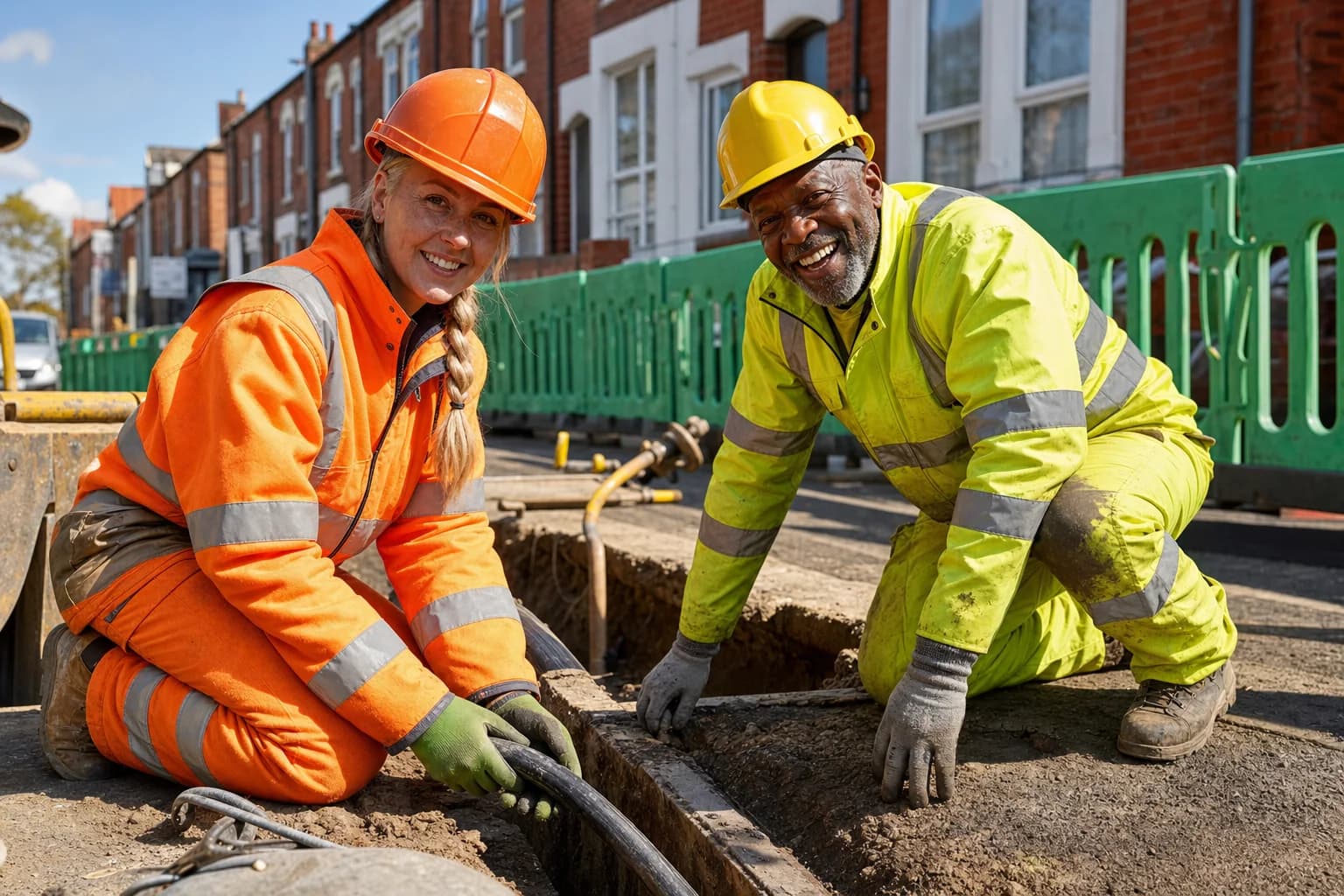 How to become a cable jointer in the UK: training and payHow to become a UK cable jointer: the 30-month Level 3 apprenticeship, LV to EHV work, street works cards, DNO and contractor employers, and pay.
 How to become a controls engineer in the UKHow to become a controls engineer in the UK: PLC, SCADA and HMI skills, the apprenticeship and electrician routes, typical sectors and modelled pay.
 How to become an EICR electrical inspector in the UKWhat EICR inspectors do, the 2391 and 18th Edition qualifications employers want, five-yearly landlord testing rules, and typical UK pay.
 How to become an electrical supervisor or foreman in the UKFrom qualified electrician to chargehand, supervisor and site manager: JIB grades, SSSTS and SMSTS tickets, the ECS Manager card, and typical UK pay.
 How to become an overhead linesman in the UKHow to become an overhead linesperson in the UK: the 30-month Level 3 apprenticeship, climbing and height training, standby work and what the job pays.
 Industrial electrician UK: the work, tickets and payWhat an industrial electrician does in UK factories and plants: three-phase and motor work, containment, the cards employers ask for, and typical pay.
 Instrumentation technician UK: the job, training and payWhat a UK instrumentation technician does: calibration, transmitters, loops and PLC faults on water, process and energy sites, plus training, CompEx and pay.
 Maintenance electrician: what the job involves in the UKWhat a UK maintenance electrician does: planned and reactive work, the sites, what employers ask for, the ECS card, multi-skilled roles and typical pay.
 Network operator jobs UK: DNO and transmission rolesThe electrical jobs at UK network operators, from craft apprentices to engineers and planners, who the DNOs and transmission owners are, and how to get in.
 Substation engineer UK: role, safety rules, routes and payWhat a UK substation engineer does: primary and secondary design, site and SAP roles, network safety rules, grid projects, routes in and typical pay.
 What does a protection engineer do in the UK? Role and payProtection engineers calculate relay settings, test protection schemes and investigate faults on the UK grid. Routes, employers and pay explained.
Career paths
 Electrical apprenticeship UK: how it works in 2026How a UK electrical apprenticeship works: the Level 3 standard, entry needs, the four-year timeline, JTL and college training, the AM2S and apprentice pay.
 How an adult can become an electrician in the UKAdult routes into electrical work: apprenticeships open to all ages, the Level 3 adult NVQ while working as a mate, the AM2, costs and short courses to avoid.
 How to become an electrical engineer in the UK: routesDegree, degree apprenticeship and HNC or HND routes into UK electrical engineering, how it differs from electrician work, and the path to IEng and CEng.
 How to become an electrician in the UK: the full routeHow to become an electrician in England and Wales: a Level 3 apprenticeship or NVQ, the AM2S, the 18th Edition and the ECS gold card, plus how long it takes.
Salary guides
 Apprentice electrician pay UK: JIB rates and minimum wageJIB apprentice electricians earn £8.16 to £14.03 an hour in 2026. See the legal minimum, yearly rises, London and Scotland rates, and non-JIB pay.
 Electrical engineer salary UK: pay by level and regionUK electrical engineers earn a modelled median of about £64,700, with most between £48,900 and £86,100. See how level, region and chartership change it.
 Electrician pay by region UK: London to Wales comparedElectrician pay by UK region: median earnings run from £39,200 in Wales to £45,600 in London, plus JIB London rates, SJIB rates and what moves pay.
 How much do electricians earn in the UK? 2026 pay guideUK electrician pay in 2026: the typical £33,100 to £51,300 range, JIB hourly rates from £18.38, overtime premiums, travel and what pushes pay up.
 HV engineer salary UK: pay, SAP allowances and call-outHV engineers in the UK earn a modelled median of £64,700, against £41,800 for electricians. See regional ranges, SAP allowances and call-out pay.
 JIB pay rates for electricians 2026: every grade and LondonJIB hourly rates from 5 January 2026 for Electricians, Approved Electricians, Technicians and apprentices, with London and own-transport rates.
Project work
 Battery storage engineer UK: the job, training and MCSWhat a battery storage engineer does in the UK: home and grid batteries, commissioning, MCS MIS 3012, HSE duties, pay and how electricians move in.
 Data centre electrician UK: how to get on a projectHow to become a data centre electrician in the UK: the ECS gold card you need, the HS&E test, shift patterns, JIB pay and getting on a project.
 How to become a marine electrician in the UKHow to become a marine electrician in the UK: the Level 3 apprenticeship, the ECS Marine Electrician gold card, shipyard and naval work, and pay.
 How to become a solar PV installer in the UKHow to become a UK solar PV installer: the electrical qualifications, the Level 3 solar PV award, MCS certification, safe roof work and realistic pay.
 How to become an EV charger installer in the UKQualify as an electrician first, then add a Level 3 EV award such as City & Guilds 2921-34 or the EAL equivalent. Covers rules, grants, jobs and pay.
 How to become an offshore wind technician in the UKGWO safety training, sea survival, wind apprenticeships, offshore shift patterns, routes in for electricians, and modelled UK pay for wind technicians.
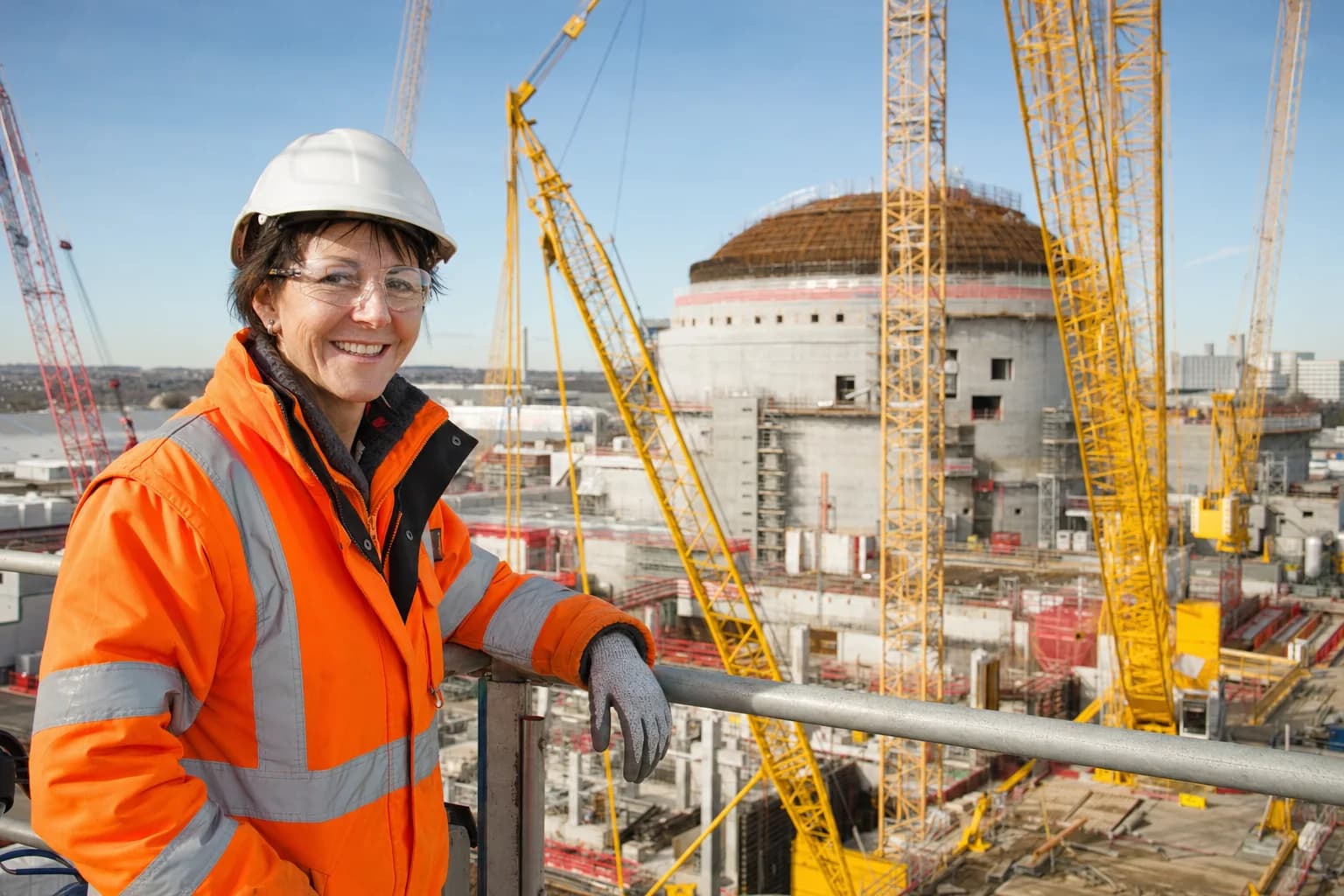 Nuclear electrician UK: jobs, clearance, training and payHow electricians get into UK nuclear work at Hinkley Point C, Sizewell C and Sellafield: entry requirements, security vetting, apprenticeships and pay.
 Rail electrician UK: PTS, Sentinel and how to startHow to become a rail electrician in the UK: PTS and Sentinel sponsorship, medicals and drug tests, depot and trackside work, night shifts, employers and pay.