Who are the network operators?
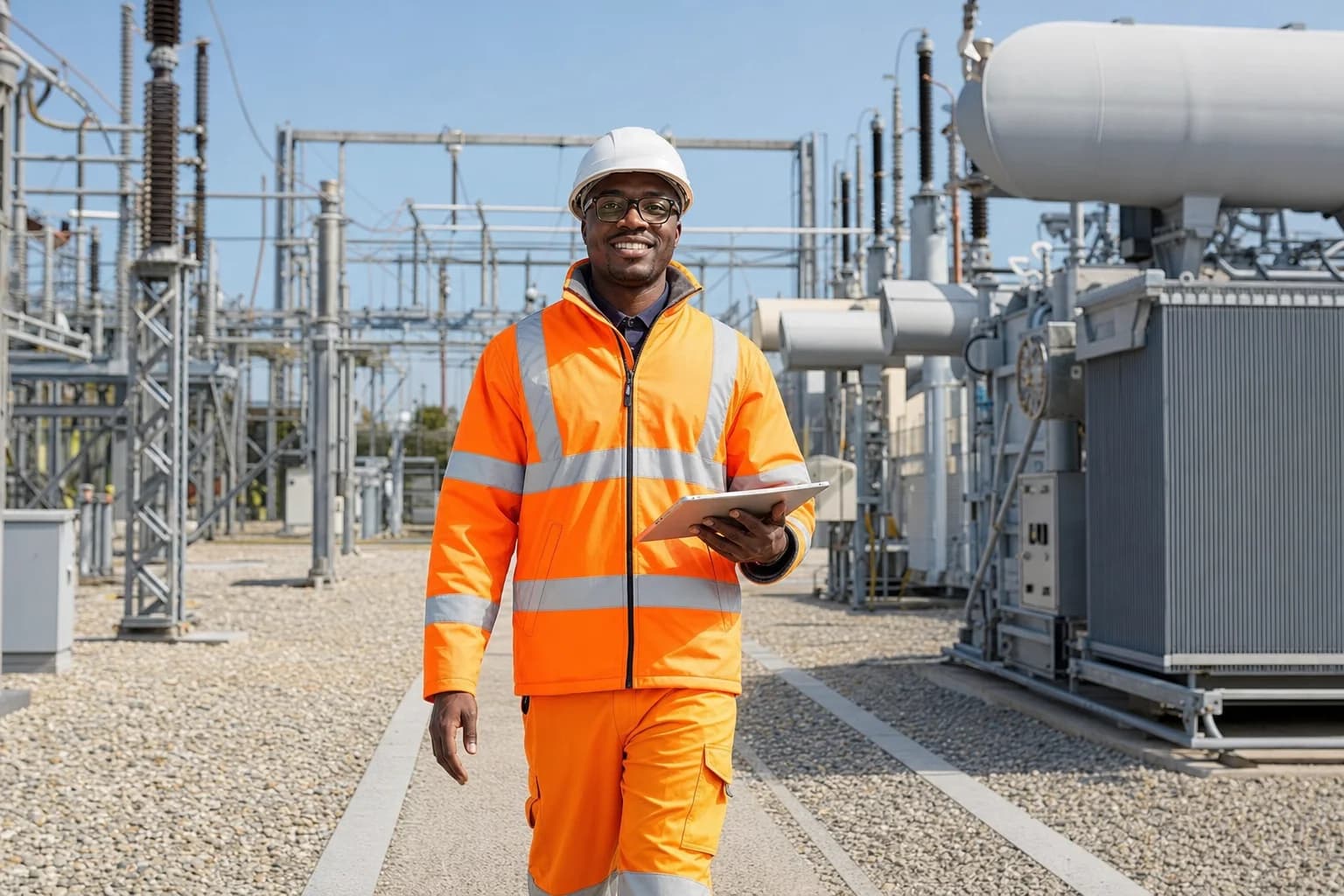
There are two layers. Transmission owners run the high-voltage system that carries power long distances. Ofgem names three: National Grid Electricity Transmission in England and Wales, SP Energy Networks in southern and central Scotland, and Scottish and Southern Electricity Networks Transmission in northern Scotland and the islands. Their kit is power lines, pylons, cables and substations.
Distribution network operators (DNOs) take that power and bring it to homes and businesses over lower-voltage lines, cables, substations and transformers. The Energy Networks Association lists UK Power Networks, National Grid Electricity Distribution, SP Energy Networks, Northern Powergrid, Electricity North West and Scottish and Southern Electricity Networks across Great Britain, with Northern Ireland Electricity covering Northern Ireland. Smaller independent distribution network operators (IDNOs) look after smaller parts of the network in specific areas.
What jobs do they actually have?
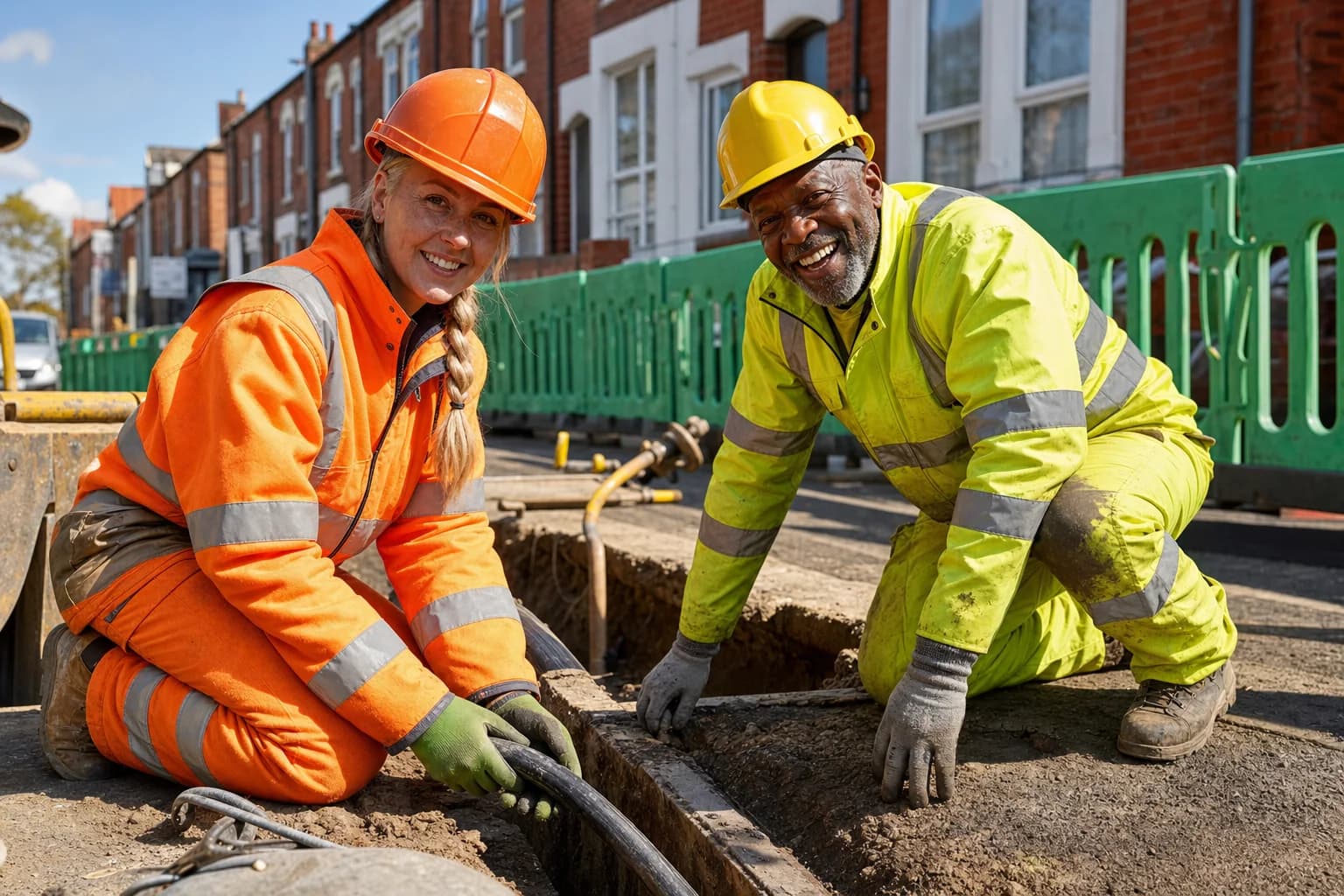
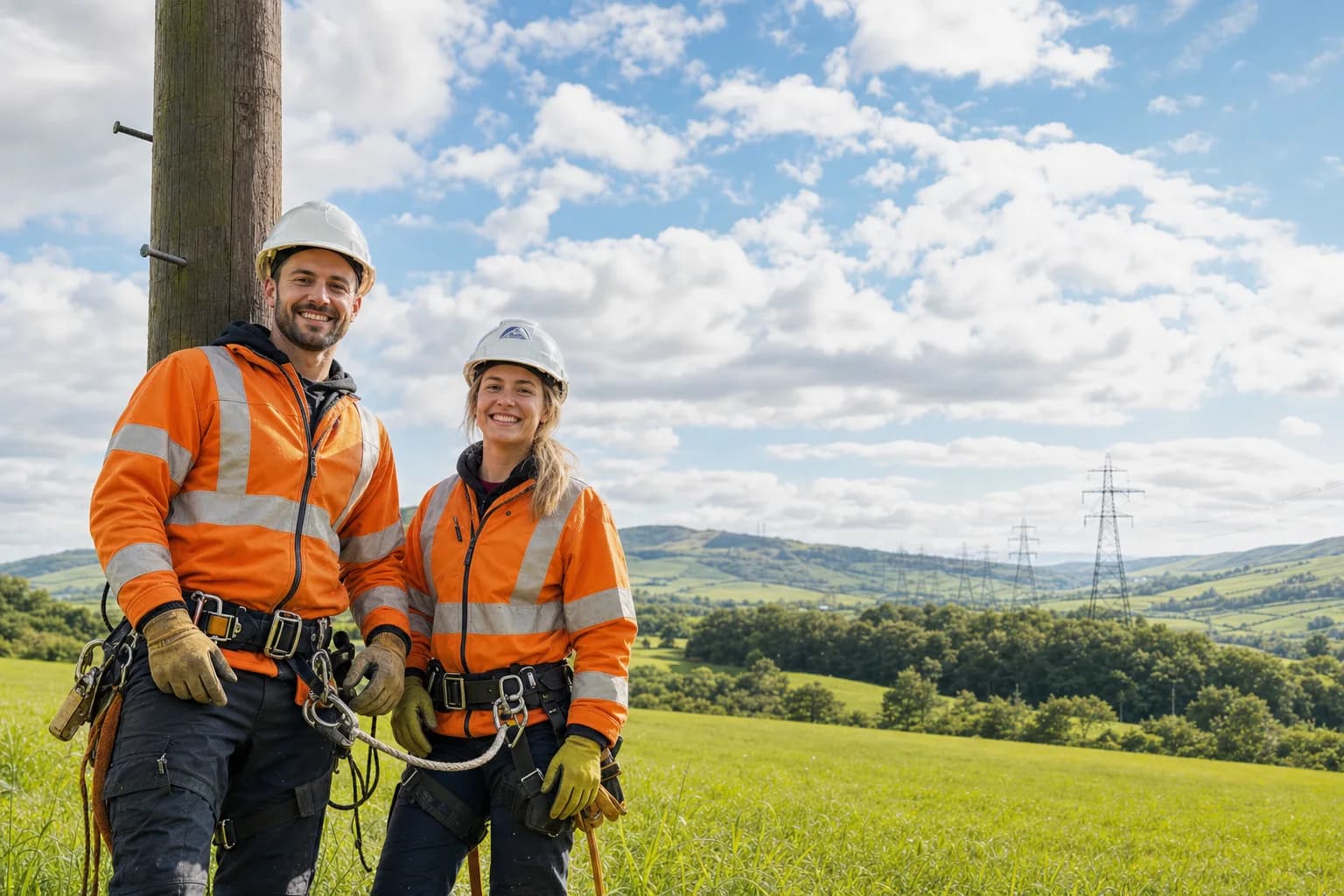
The core field trades are cable jointers, overhead linespeople and substation fitters. These are the three trades UK Power Networks trains apprentices into. Jointers make and repair underground cable joints, linespeople build and maintain overhead lines, and fitters work on substation plant. They fix faults, connect new customers and reinforce the network as demand from electric transport and heating grows.
Behind the field teams sit engineers, designers, asset managers and control staff. Northern Powergrid says trainees can go on to teams including Major Projects, Asset Management, Design, Distribution System Operation, Control, Protection and Field Delivery. Some operators also run commercial arms. UK Power Networks Services, for example, builds and maintains private networks for clients in aviation, rail and defence.
How do you get in?
For craft roles, the main door is an apprenticeship. UK Power Networks puts recruits through the Power Networks Craftsperson (Level 3) Apprenticeship, mixing training centre work in Kent and Suffolk with college theory and time alongside experienced teams. It runs three years for school and college leavers and two years for career changers. For its 2026 intake it offered 14 foundation and 17 experienced places, with applications closing on 31 January.
Expect a proper selection process. UK Power Networks asks for an online application and CV, an online assessment, recorded audio interview answers, an in-person assessment centre and a final interview. For engineering routes, Northern Powergrid has run a 27-month Graduate and Technical Trainee programme built on the Electrical Power Network Engineer apprenticeship, plus a foundation degree apprenticeship for power engineers.
What is the work like day to day?
Craft work is outdoor and physical, in all weathers. UK Power Networks says it wants people who put safety first, take pride in quality work, give good customer service and enjoy hands-on problem solving outside. You work in teams on live infrastructure that serves millions of people, so discipline around safety rules matters more than speed.
The work is tied to a patch. Apprenticeships are recruited depot by depot, so you join a local team and learn its network. If you already hold a domestic or commercial electrical qualification, it helps with the theory, but network trades have their own training. Plan on doing the operator's apprenticeship rather than walking straight in as a qualified hand.
Pay
GBP a year, before tax. Ranges show the 25th to 75th percentile for power and utilities roles, based on ONS Annual Survey of Hours and Earnings, April 2026 (provisional), moved to the current year with a wage index. Regional figures are modelled. Grade, shift and standby payments and overtime on faults move actual earnings, and apprentices earn less while training. Refer to the Power & Utilities salary guide for figures from live adverts.
What you need
- Apprenticeship routeCraft entrants at UK Power Networks follow the Power Networks Craftsperson (Level 3) Apprenticeship. It mixes training centre practice, college theory and on-the-job time.
- Selection stagesExpect an online application and CV, an online test, recorded audio interview answers, an assessment centre and a final interview.
- Fitness for outdoor workThe job is physical and done outside in all weathers. Operators look for people who handle that well.
- Safety mindsetNetwork operators put safety first in recruitment. You need to follow procedures on high-voltage equipment without cutting corners.
- Customer focusField staff deal with the public during power cuts and new connections, so good conduct and communication count.
- Engineering trainee routeFor engineering roles, trainee schemes such as Northern Powergrid's Graduate and Technical Trainee programme are built on the Electrical Power Network Engineer apprenticeship.
Across the UK
| England and Wales (transmission) | National Grid Electricity Transmission owns and runs the high-voltage transmission network. |
|---|---|
| Southern and central Scotland | SP Energy Networks is the transmission owner and also the local distribution operator for southern Scotland. |
| Northern Scotland and islands | Scottish and Southern Electricity Networks Transmission owns transmission, and Scottish and Southern Electricity Networks handles distribution. |
| London, East and South East England | UK Power Networks is the distribution network operator. |
| Midlands, South West England and South Wales | National Grid Electricity Distribution runs distribution. |
| North East England and Yorkshire | Northern Powergrid runs distribution. |
| North West England, Cheshire, Merseyside and North Wales | Electricity North West covers North West England. SP Energy Networks covers Cheshire, Merseyside and North Wales. |
| Northern Ireland | Northern Ireland Electricity is the network operator. |
How to get there
- Before applyingFind your local operatorWork out which DNO or transmission owner covers your area, and watch its careers pages for apprentice and trainee intakes.
- Autumn to JanuaryApply and get through selectionSubmit an application and CV, then sit the online test, recorded interview, assessment centre and final interview.
- 2-3 yearsCraft apprenticeshipTrain as a cable jointer, overhead linesperson or substation fitter on the Level 3 Power Networks Craftsperson apprenticeship.
- After qualifyingQualified craftspersonWork in a local depot team maintaining, repairing and extending the network, including fault work.
- Later careerEngineering or planningMove into technical, planning or engineering roles, or enter directly through a graduate or technical trainee scheme.
Questions people ask
What is the difference between a DNO and a transmission owner?
A transmission owner runs the high-voltage system that moves power long distances from generators. A DNO takes power from that system and delivers it to homes and businesses over lower-voltage lines, cables and substations. Great Britain has three transmission owners and several regional DNOs.
Can a career changer get a network operator apprenticeship?
Yes. UK Power Networks recruits both school leavers and career changers. Career changers take an experienced apprenticeship lasting two years, compared with three years for school or college leavers.
Which trades do DNO craft apprentices train in?
At UK Power Networks the craft apprenticeship trains cable jointers, overhead linespeople and substation fitters. All three follow the Power Networks Craftsperson (Level 3) Apprenticeship.
What is an IDNO?
An independent distribution network operator looks after a smaller part of the distribution network in specific areas. The Energy Networks Association lists them separately from the regional DNOs. They also employ engineers and field staff, on a smaller scale.
How much do network operator staff earn?
Our modelled figures for power and utilities work put the UK middle half between £40,200 and £68,200 a year, with a median of £51,200. London and the South East sit higher, Wales and the South West lower.
Do I need to be a qualified electrician first?
No. Network operator craft apprenticeships recruit school leavers with no trade background. An electrical qualification helps with theory, but network trades have their own training route.
Sources
- Ofgem: Where your energy comes from
- Energy Networks Association: Who's my network operator?
- UK Power Networks: 2026 craft apprentice recruitment
- Northern Powergrid: Graduate and Technical Trainee programmes
- Northern Powergrid: Graduate and technical electrical engineer recruitment
- Northern Powergrid: Foundation degree apprenticeship