What Does a Substation Fitter Do? UK Pay, Skills and Routes In
Teesside, Netherton and Fife are building big new substations. Here's what a UK substation fitter does, real pay from recent adverts, and how to get in.
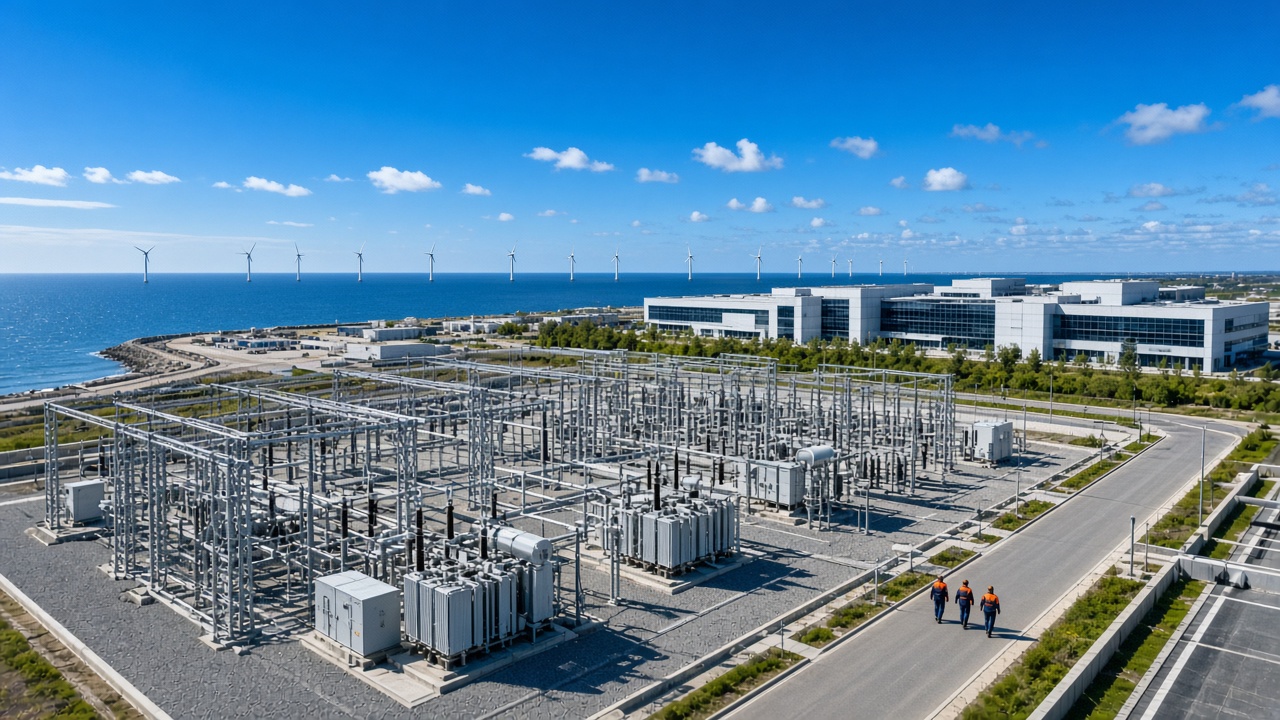
Last week brought a run of news that, put side by side, tells one story. National Grid agreed to buy 73 acres at Dorman Point on Teesside for what's expected to be Britain's biggest substation. SSEN Transmission handed over the platforms for new 400kV and 132kV substations at its Netherton Hub near Peterhead. And SP Energy Networks signed a contract with Linxon to deliver substation design and materials across the central belt and Fife, with dozens of new jobs in Glasgow.
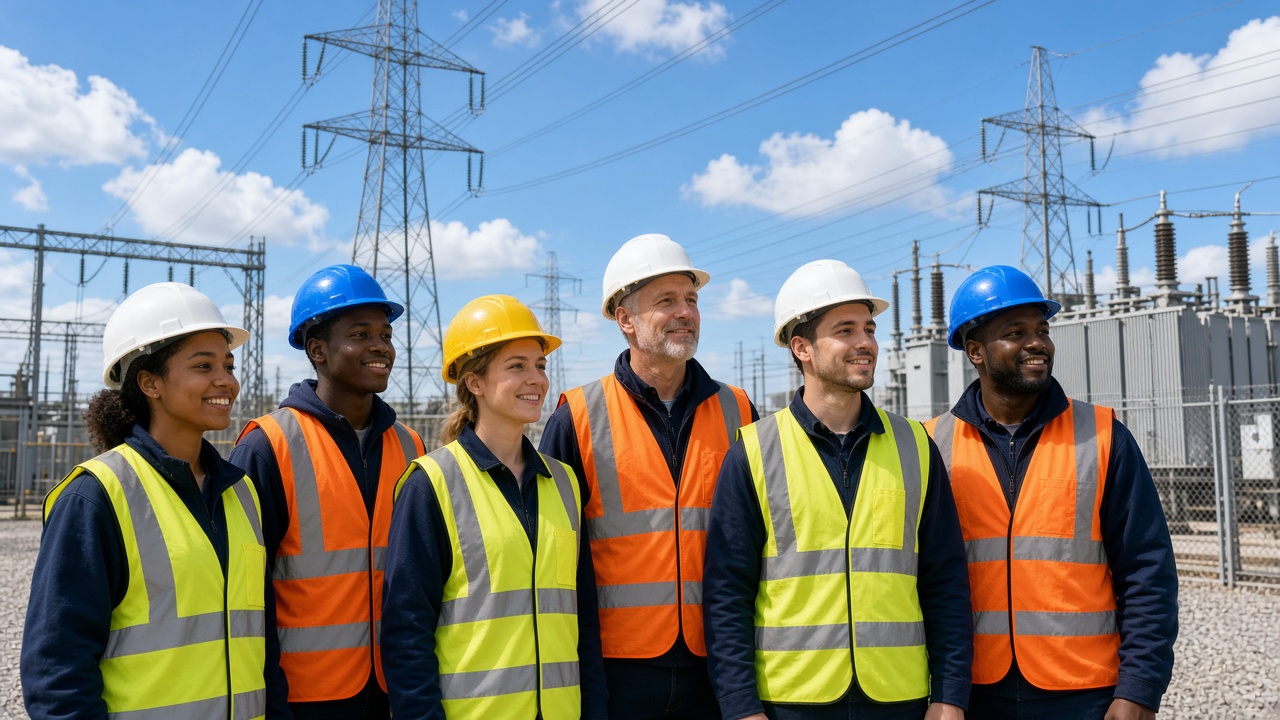
Every one of those projects needs the same kind of person: someone who can install, test and maintain high-voltage plant inside a substation. In the trade that's usually called a substation fitter, sometimes an HV fitter, EHV fitter or substation electrician. It's one of the best-kept secrets in UK electrical careers, so as part of our "what does each electrical role do" series, here's what the job involves, what it pays, and how you get in.
What a substation fitter actually does
A substation is where voltage is transformed and power is switched, protected and routed. Transmission substations work at 400kV and 275kV (132kV in Scotland too), distribution substations step down through 33kV and 11kV towards the streets we live on. The substation fitter is the hands-on craftsperson who builds and looks after the kit inside them.
The best way to understand the job is to read what employers ask for. A recent SSE Electrical/Mechanical Fitter advert for Inverness, Caithness and Moray describes the work as:
- maintaining switchgear and plant up to and including 400kV, with training to gain full authorisation
- maintaining power systems including switchgear, transformers, busbars and associated equipment
- inspections, planned maintenance and defect repairs, plus helping with construction work
- joining standby duties for fault work once you hold the right authorisations
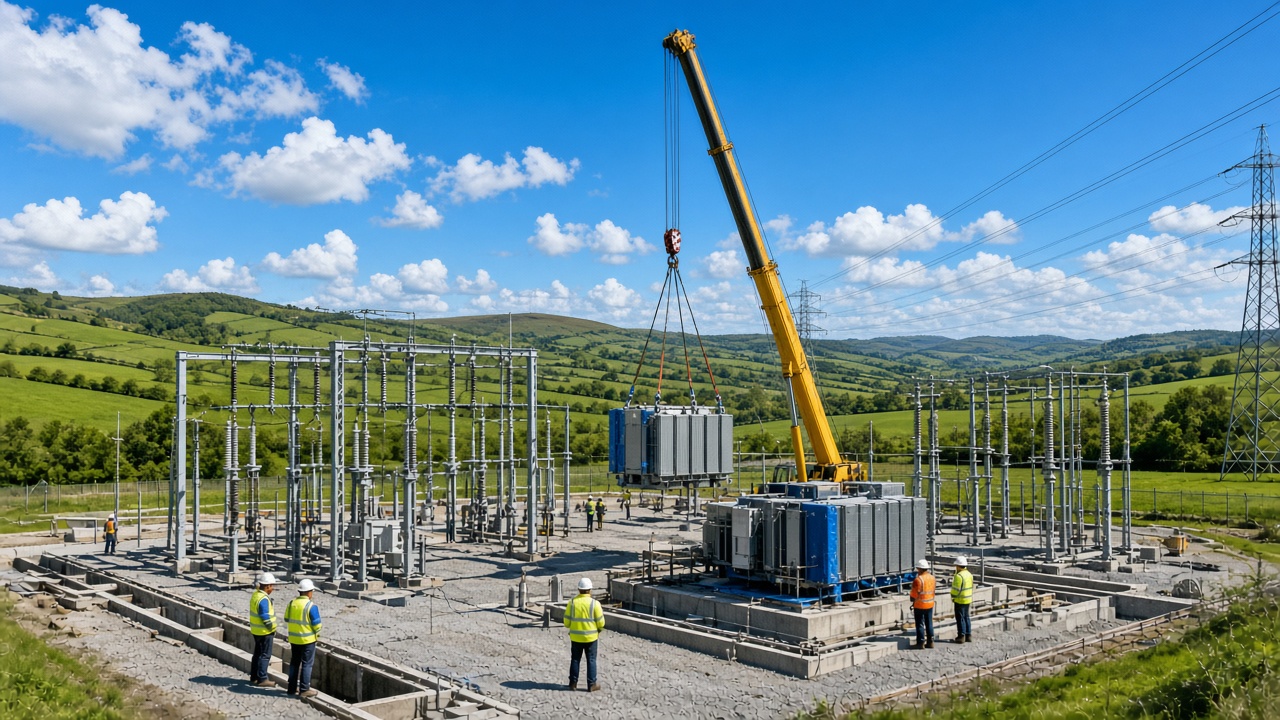
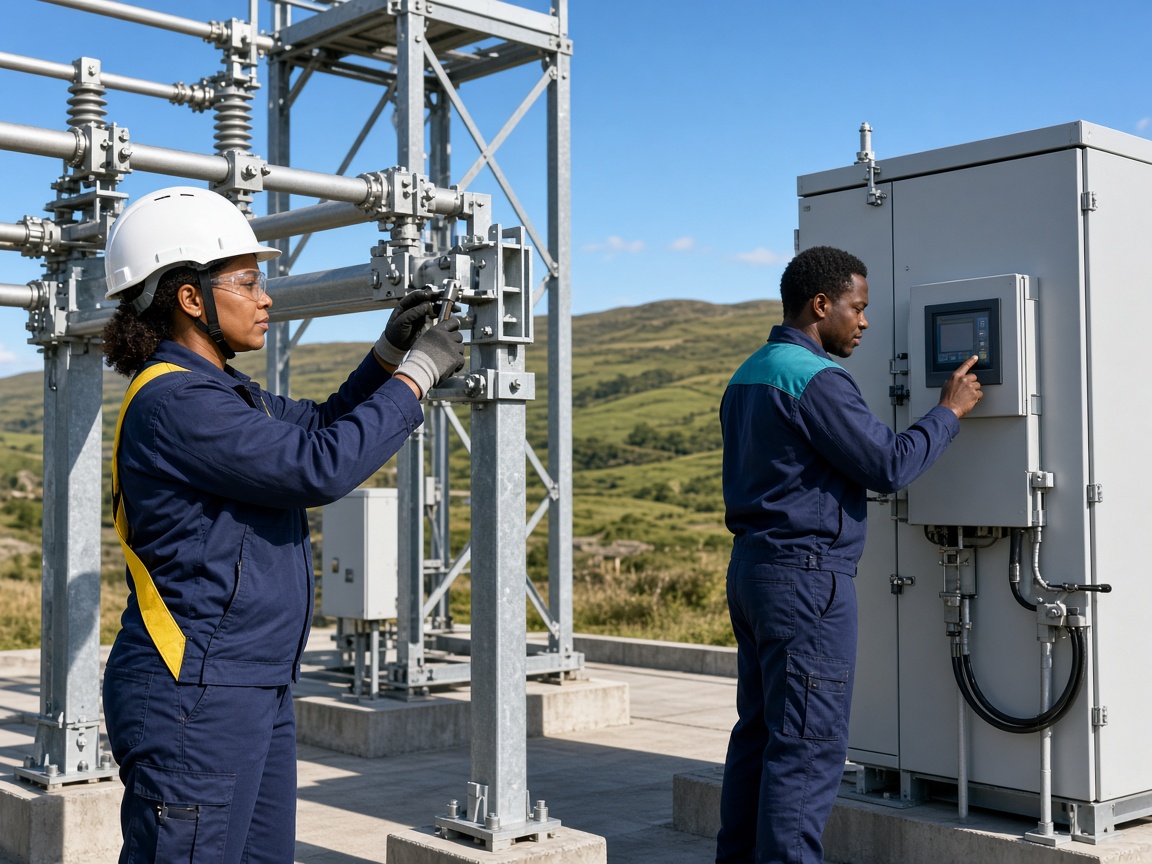
On the construction side, a recent Balfour Beatty Substation Fitter advert in Aberdeen listed installing and assembling HV plant from 33kV to 400kV, fitting transformers, busbars, connectors, earthing systems and cables, and erecting and aligning aluminium and steel structures. It's physical, precise work, often outdoors, often in big, open sites with a lot of sky.
The national apprenticeship standard backs this up. Skills England's Power industry substation fitter apprenticeship is a Level 3 standard with three options: distribution maintenance, transmission maintenance and construction. Those are basically the three flavours of the job.
Construction versus maintenance: two very different careers
I think this is the most important thing to understand before you apply, because the lifestyle is so different.
Construction fitters work for the big delivery contractors and specialist firms building new substations. You follow the projects. Today that means places like Peterhead, Fife, the Highlands and, soon, Teesside. Expect travel, time away, lodge or digs allowances on some jobs, and the satisfaction of watching an empty platform turn into a working 400kV compound. The Balfour Beatty advert was upfront that "a flexible approach to travel and working away from home is essential."
Maintenance fitters usually work for the network owners: the transmission companies and the distribution network operators. You have a home patch, a van, planned maintenance cycles and, once authorised, a place on the fault standby rota. It's steadier and more local, with the occasional 3am call-out when something trips in a storm.
Neither is better. Plenty of people start in construction to build experience fast, then move into a network operator role when they want to put down roots. Others go the other way when they want more variety and overtime.
Authorisations: the real currency of the job
If you're coming from building services or domestic work, the biggest culture shock is authorisation. On the high-voltage network, you don't just turn up with your card and start work. Each network company runs its own safety rules, and you're assessed and authorised by them to carry out specific activities on specific voltages. As your experience grows, you can progress to roles such as Authorised Person and, eventually, Senior Authorised Person, who controls switching and issues safety documents.
Authorisations are company-specific, which is why adverts mention them by name. The Balfour Beatty advert listed SSE, SPEN or National Grid authorisations as desirable. Once you hold them, you're far more valuable, and that's reflected in the contract market. In my experience, people with senior authorisations at 400kV are among the hardest to find in the whole power sector.
My advice: whichever employer you join, ask on day one what their authorisation pathway looks like and how long it typically takes. A company that invests in getting you authorised is investing in your whole career.
What substation fitters earn in the UK
I only want to quote real numbers, so here are figures straight from recent adverts:
- SSE, Electrical/Mechanical Fitter (Inverness, Caithness, Moray): £36,139 to £48,427, plus 34 days' annual leave and a benefits package. The advert closes on 3 November 2026.
- UK Power Networks, EHV Fitter (Colchester, capital programme): £41,031 plus a 3% bonus, with 25 days' leave plus bank holidays.
Those are basic salaries before overtime, standby payments and allowances, which can add a meaningful amount, especially on construction projects and fault rotas. As always, the real number depends on region, employer, how far you'll travel and, above all, which authorisations you hold. Compare them with our breakdown of JIB electrician pay rates for 2027 and you'll see why so many experienced sparks are looking at the grid.
How to get into substation work
There's no single door, which I love, because it means people from different backgrounds can get in.
1. The apprenticeship route. The Power industry substation fitter Level 3 apprenticeship is purpose-built for this job. Network operators and big contractors recruit apprentices regularly, so keep an eye on their careers pages and apply early, as places are competitive. The Netherton Hub update mentioned that one local contractor expects its involvement to support more than 35 jobs, including four to six apprenticeships. That's typical of how these projects pull young people in.
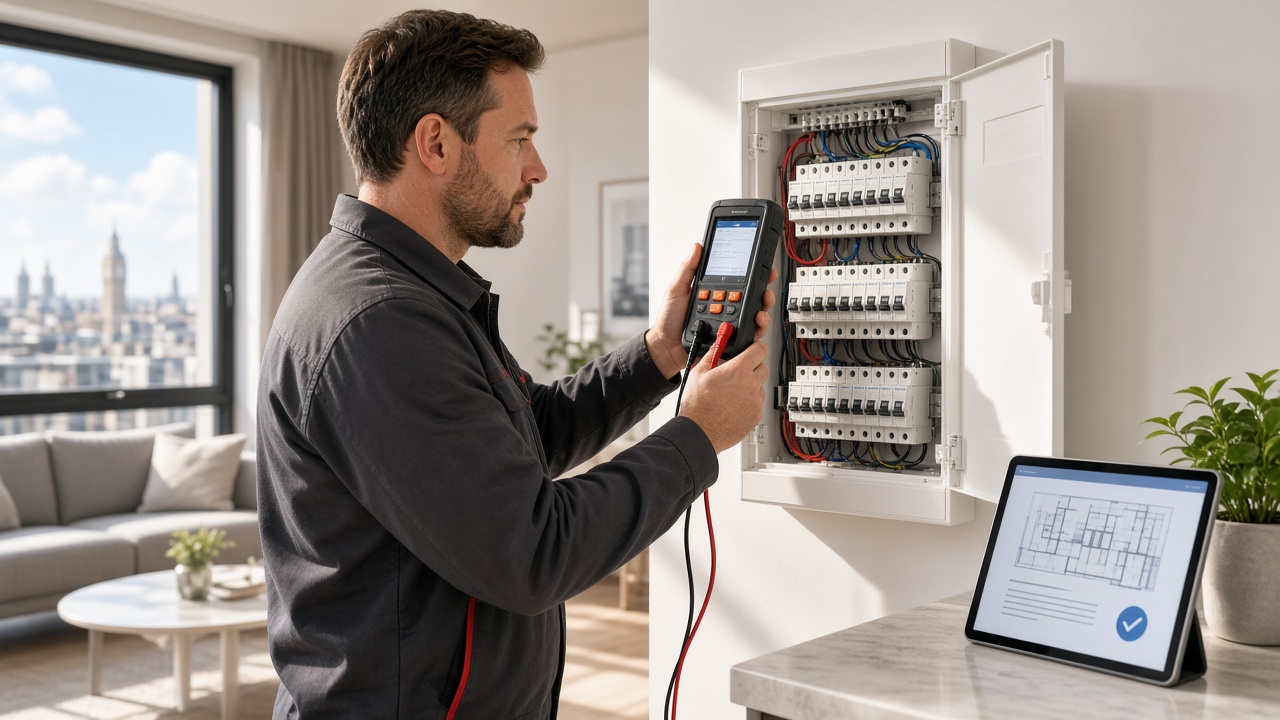
2. The qualified electrician route. If you've done an electrical apprenticeship already, you have a big head start. The SSE advert, for example, preferred City & Guilds Part 232 or an SVQ Level 3 electrical or mechanical apprenticeship, plus experience on LV and HV plant. Industrial and commercial maintenance experience transfers well, especially switchgear and motor control work.
3. The mechanical or fitting route. Notice that many of these adverts say "electrical/mechanical". Busbars, structures, transformers and switchgear mechanisms need strong mechanical skills. Fitters from manufacturing, rail or the forces often move across successfully.
4. The tickets that help. Recent adverts mentioned a full driving licence, working at height, CPCS or equivalent, and MEWP or telehandler certification as useful extras. None of them replace experience, but they make your CV easier to say yes to.
Why I think this is one of the best bets in electrical careers right now
The numbers behind the grid upgrade are enormous. The Electricity Networks Sector Growth Plan sets out £181 billion of network investment by 2035 and actions to support more than 210,000 jobs. Last week, M Group, Balfour Beatty and United Infrastructure became the first named members of a new contractor group inside the trade body BEAMA, with training and apprenticeships on its agenda. We wrote more about where those 210,000 grid jobs are likely to land.
The technology is moving fast too. The Linxon contract for SP Energy Networks includes SF₆-free switchgear and digital substation, automation and monitoring technology from Hitachi Energy. That's exactly the kind of kit that makes this job more interesting every year: more sensors, more data, smarter protection, and a cleaner gas-free future. If you like the idea of being a hands-on fitter who also understands digital systems, you'll be in serious demand.
And then there's AI. The Teesside substation is being planned to power a neighbouring data centre, and the Tees Valley mayor talked about "up to 3.2GW of capacity" on the site. Every data centre, battery site and offshore wind connection needs substations. That's not a five-year boom. It's a generation of work.
Where to start this week
If you're curious, do three things this week. Read two or three real substation fitter adverts end to end, so you understand the language. Ask anyone you know in the network companies what their authorisation pathway is like. And if you're qualified, update your CV to put any switchgear, HV, transformer or industrial maintenance experience right at the top.
Then have a look at the substation and HV roles on our jobs board, including openings at National Grid and SSE. If you'd like to compare with neighbouring careers, we've also covered HV cable jointers and data centre electricians. The grid is being rebuilt in front of our eyes, and the people who build it are going to have brilliant careers.