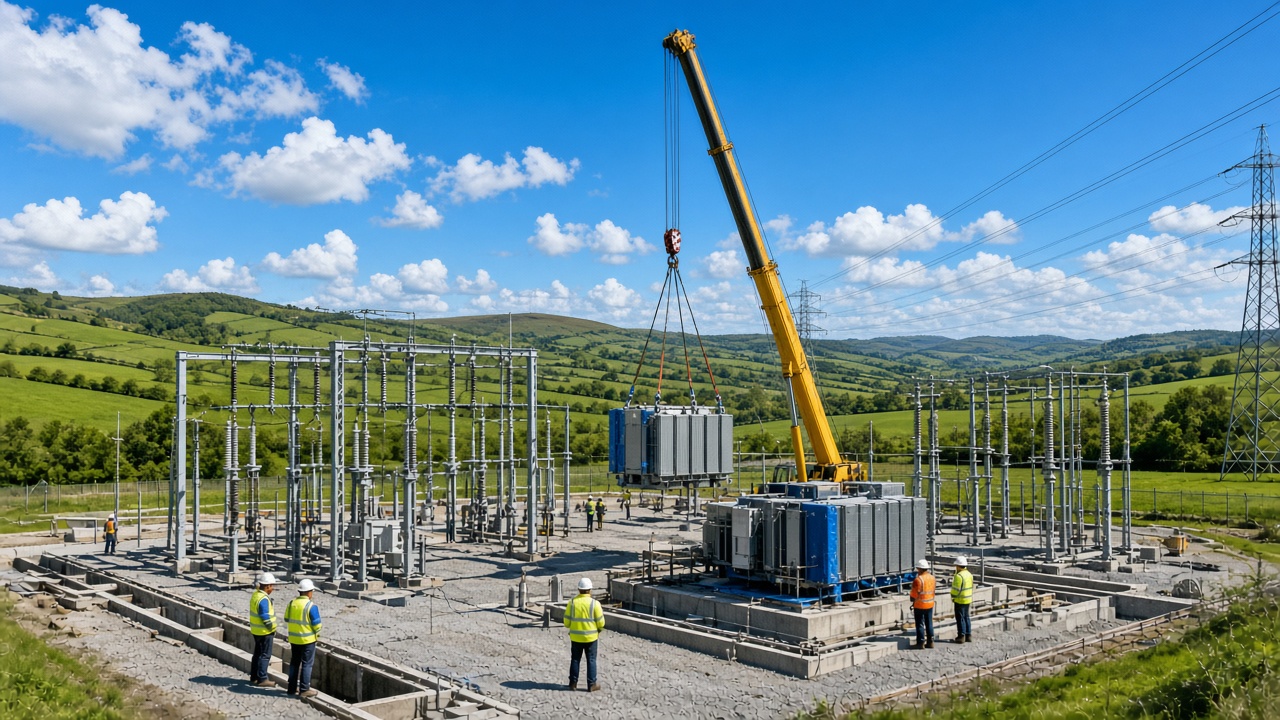
Energy Sector Needs 360,500 People by 2032: Where UK Electricians Fit

Energy & Utility Skills says the UK needs 360,500 energy and utilities people by 2032. What that means for electricians, apprentices and employers.
On 4 November 2026, Energy & Utility Skills Group published a number that should make every UK electrician sit up: the energy and utilities sector needs 360,500 people between 2026 and 2032. That is not a vague "skills shortage" headline. It is a planning figure built from growth jobs plus retirements — and a large share of the work that figure describes sits on the electrical side of the economy.
If you install, maintain, join, commission or supervise electrical systems for networks, generation, renewables, data centres or domestic low-carbon kit, this forecast is about your labour market for the rest of the decade.
The headline numbers, straight from the source
According to the Workforce Demand Estimates 2026–2032 and the accompanying news release:
- 360,500 people required between 2026 and 2032
- 246,200 additional jobs
- 114,300 replacements for expected retirements
- Workforce growth of 36%, from 676,100 people in 2025 to 922,400 by 2032
- Demand is front-loaded: 74,200 people needed in 2026, 61,400 in 2027 and 51,400 in 2028
Paul Cox, Group Chief Executive of Energy & Utility Skills Group, framed it as growth and ambition rather than a deficit to moan about: attract people, develop capability, and retain the experience the sector cannot afford to lose. That is the right tone for electricians too. Opportunity beats panic every time.
The research also covers industry slices that matter for electrical careers — including electricity networks, power generation, and community and domestic low-carbon technologies such as heat pumps, smart meters, solar PV, battery storage and EV chargepoints. You do not need to work for a DNO to feel this demand. Contractors, manufacturers, installers and facilities teams are all in the same labour pool.
Four priorities — and what they mean on the tools
Energy & Utility Skills groups the response around four practical priorities. Here is how each one lands for electricians, apprentices and hiring managers.
Research: understand demand and act early
The estimates update every two years and break demand down by industry, occupation, skill level and geography. Employers are being told to use that evidence with their own workforce data, not wait until a project is already late.
For you as a candidate, that means watching where investment is concentrating: network reinforcement, generation, waste and water assets, and the domestic low-carbon stack. For employers, it means recruiting and training before the 2026–28 surge peaks on site.
Attract: build the workforce at pace
Those early-year numbers matter because many apprenticeship routes take three years or more. If you need competent people in 2028, the intake decision is already overdue. The release specifically points employers toward apprenticeship development, sector entry programmes and shared intelligence so the sector can bring people in at pace.
We covered Sector Entry and the wider apprenticeship push earlier this week — the point here is simpler. Entry routes are opening because the maths says they have to. If you are early-career, or switching from adjacent trades, the door is more open than it has been for years. If you hire, treating apprenticeships as optional is now a delivery risk.
Develop: build capability and unlock productivity
AI, automation and digital tools will change how some engineering and operational work is delivered. Energy & Utility Skills is clear that for many roles, technology is more likely to augment people than remove the need for human capability — especially where safety, occupational competence and accountability sit on a named person.
That is good news for electricians who keep learning: Inspection & Testing depth, HV authorisations, commissioning, renewables product training, and the soft skill of working cleanly with other trades. Productivity gains will favour people who can use new tools without cutting corners on competence.
Retain: protect skills, experience and knowledge
The core 360,500 figure covers growth and retirements. It does not include people leaving for other industries or overseas. A separate sensitivity estimate puts potential sector-wide staff turnover at 143,000 people — about 21% of the current workforce. That is the quiet risk behind the optimistic growth story.
Progression, mentoring, succession planning and knowledge transfer are not HR wallpaper. They decide whether a DNO depot, contractor or data-centre M&E team keeps its Authorising Engineers, jointers and commissioning leads — or watches them walk into a better-run competitor.
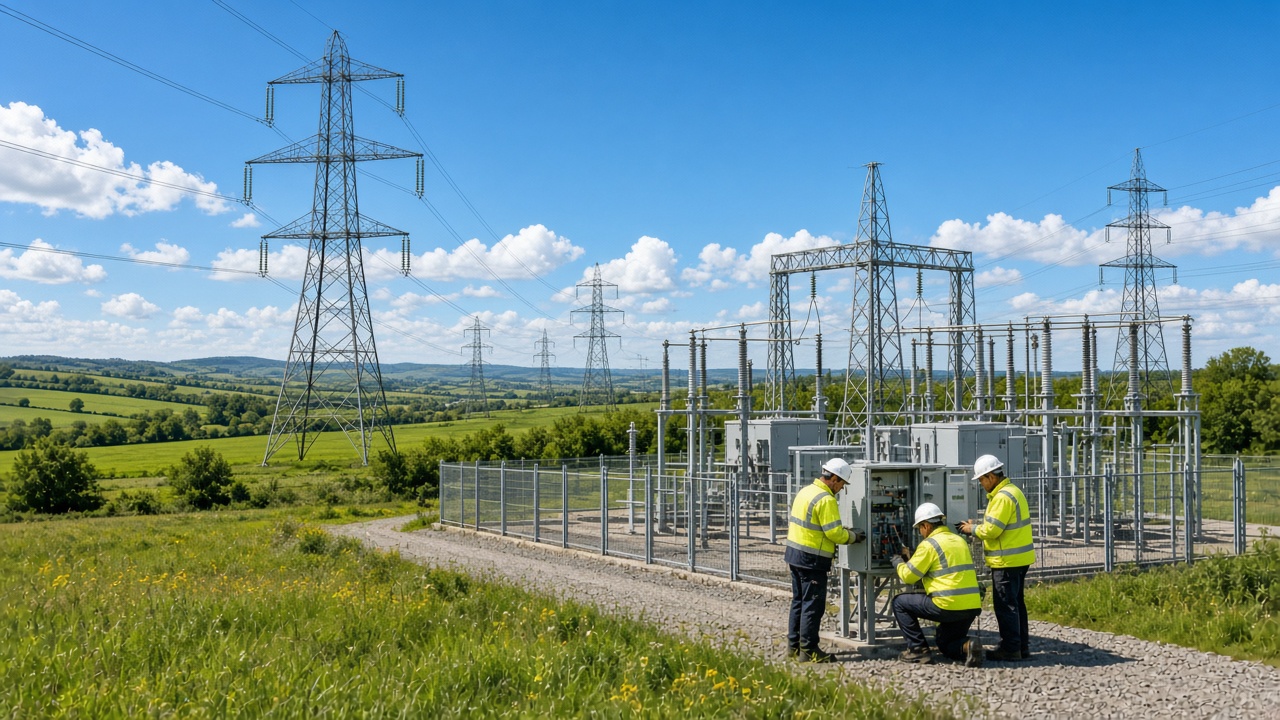
Where UK electricians fit in the 360,500
Electricians sit across almost every industry slice in the estimates:
- Electricity networks — construction, installation, operation and maintenance of the kit that moves power.
- Power generation — thermal and clean energy plant that still needs wiring, protection and commissioning.
- Domestic and community low carbon — heat pumps, EV chargepoints, solar PV, batteries and smart meters in homes and heat networks.
- Data centres and large commercial M&E — competing hard for the same qualified people as the utilities sector, which tightens the whole market.
If you are already JIB-graded, Approved, or holding Inspection & Testing and low-carbon product tickets, you are standing in a sellers' market for skills. If you are an apprentice or looking at Sector Entry-style routes into energy and utilities, the timing is unusually good: employers need volume now, not after another committee.
Rob Murphy, Workforce Planning Consultant at Energy & Utility Skills Group, put it well: the value is not only the headline number. The estimates help employers see what is driving demand and which occupations, skills and locations need attention first. They are a planning tool, not a fixed recruitment target. For candidates, that means reading the market the same way — follow the investment, not the rumour mill.
How to position yourself over the next 12–24 months
If you are qualified and looking to move: pick a lane that matches the front-loaded demand. Network and HV work, renewables and domestic low carbon, commissioning, or data-centre electrical roles all sit inside this growth story. Update your tickets, keep your EICRs and EICs tidy, and apply where employers are already advertising urgency.
If you employ electricians: do not wait for 2028. The 74,200 figure for 2026 is the wake-up call. Mix experienced hires with apprentices, protect retention with real progression, and treat knowledge transfer as a project deliverable.
If you are starting out: apprenticeships and structured entry programmes exist because the sector cannot grow 36% on hope. Get on a recognised electrical or energy pathway, aim for Level 3 competence, and choose employers who train properly rather than those who only want cheap pairs of hands.
If you are mid-career and restless: the sensitivity figure on turnover cuts both ways. Other industries will try to poach energy talent — and energy employers will pay and promote to keep it. Know your worth, but also know that staying and becoming the person who mentors the next intake can be a strong career move.
An optimistic read — with clear eyes
360,500 people sounds huge until you remember what the UK is trying to build: a bigger, cleaner, more flexible energy system, plus the domestic electrification that sits behind heat pumps, EVs and storage. Growth of that scale is a challenge. It is also a career map.
Energy & Utility Skills is telling the industry to attract, develop and retain — not just advertise vacancies and hope. Electricians who treat the next few years as a skills investment, not a waiting room, will be the ones writing their own tickets when those 74,200 roles for 2026 become real job ads.
Browse current energy, grid and renewables electrician vacancies on ElectricalRoles.co.uk, set an alert for your region, and talk to employers who are hiring for growth rather than firefighting gaps. The workforce numbers are out. The smart move is to act while the demand curve is still rising.