What Does an HV Cable Jointer Do? UK Pay, Skills and Routes In
What does an HV cable jointer do? UK pay from real ads, EUSR and NRSWA tickets, the Level 3 apprenticeship, who hires and why grid demand is soaring.
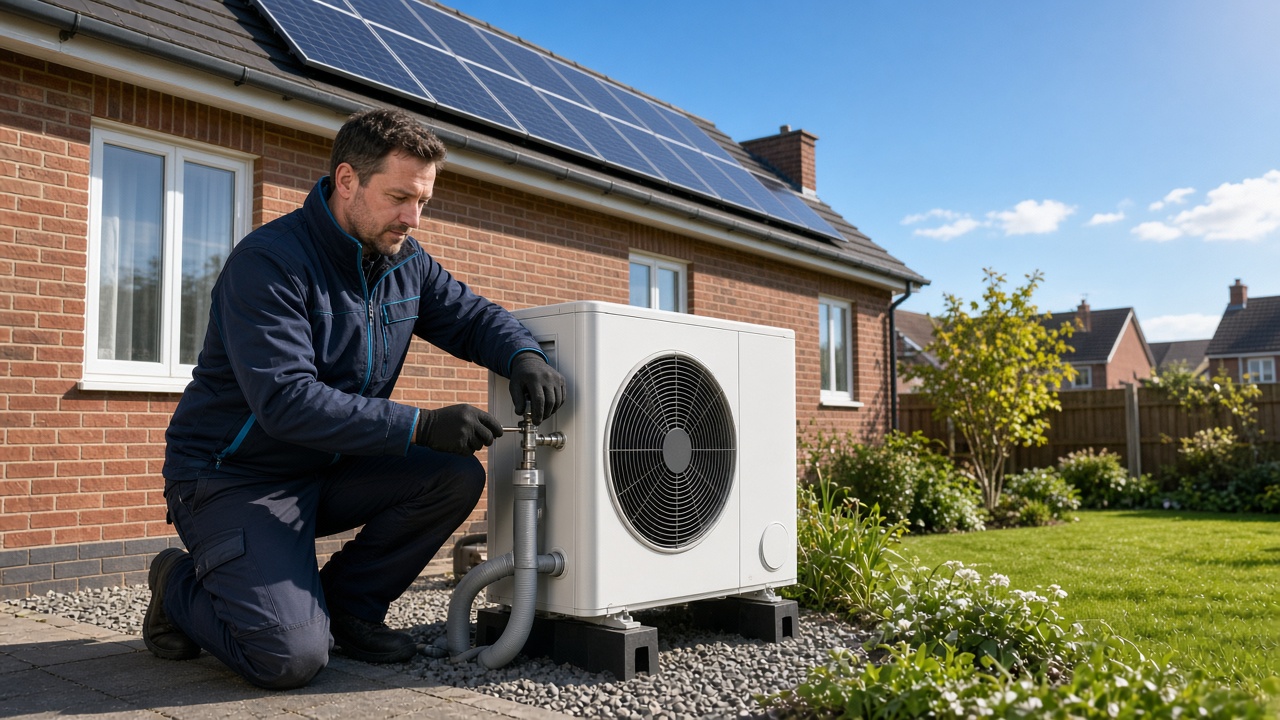
Every new wind farm, heat pump street and data centre in Britain ends up relying on one unglamorous thing: a cable joint buried in a hole in the ground, made by hand, that has to last decades. The people who make those joints are HV cable jointers, and right now they're some of the most sought-after tradespeople in the UK energy sector.
If you're an electrician, a jointer's mate or someone weighing up an apprenticeship, this is a career I'd look at closely. It's outdoor, physical, highly skilled, and it sits at the heart of the biggest grid build-out in generations. Here's what the job actually involves, what it pays according to real job ads and salary data, and how you get in.
What an HV cable jointer actually does
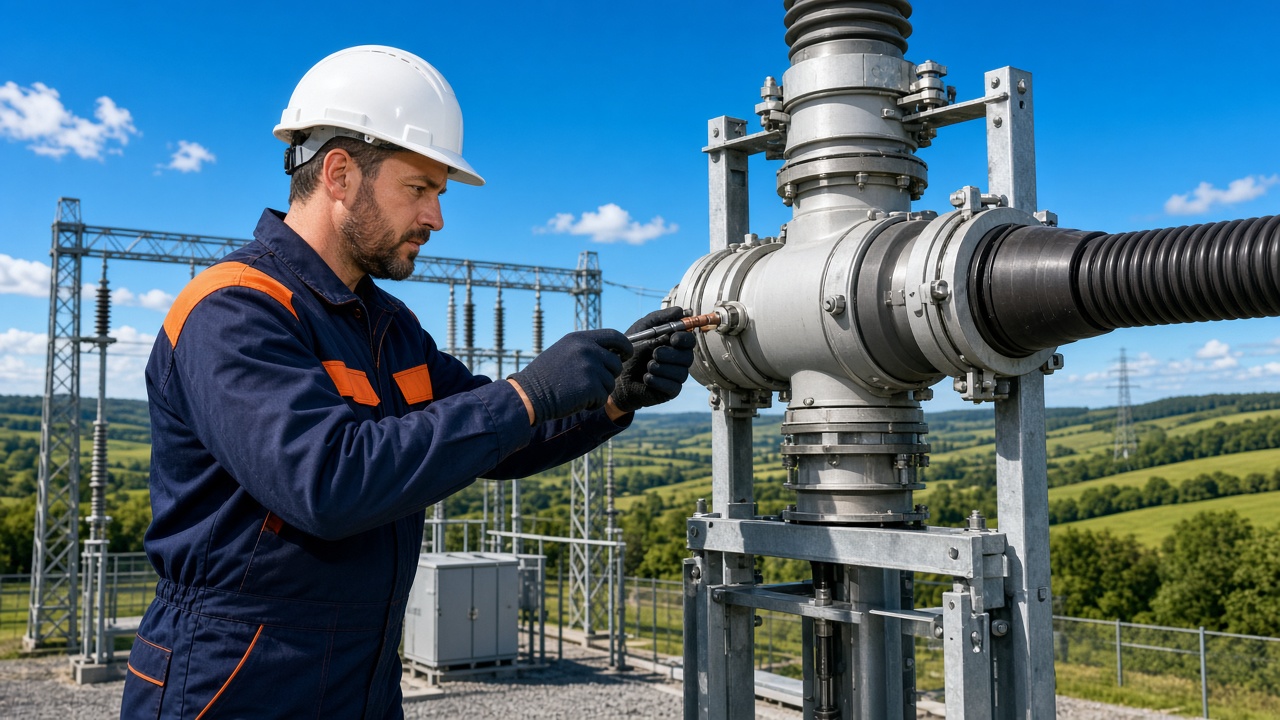
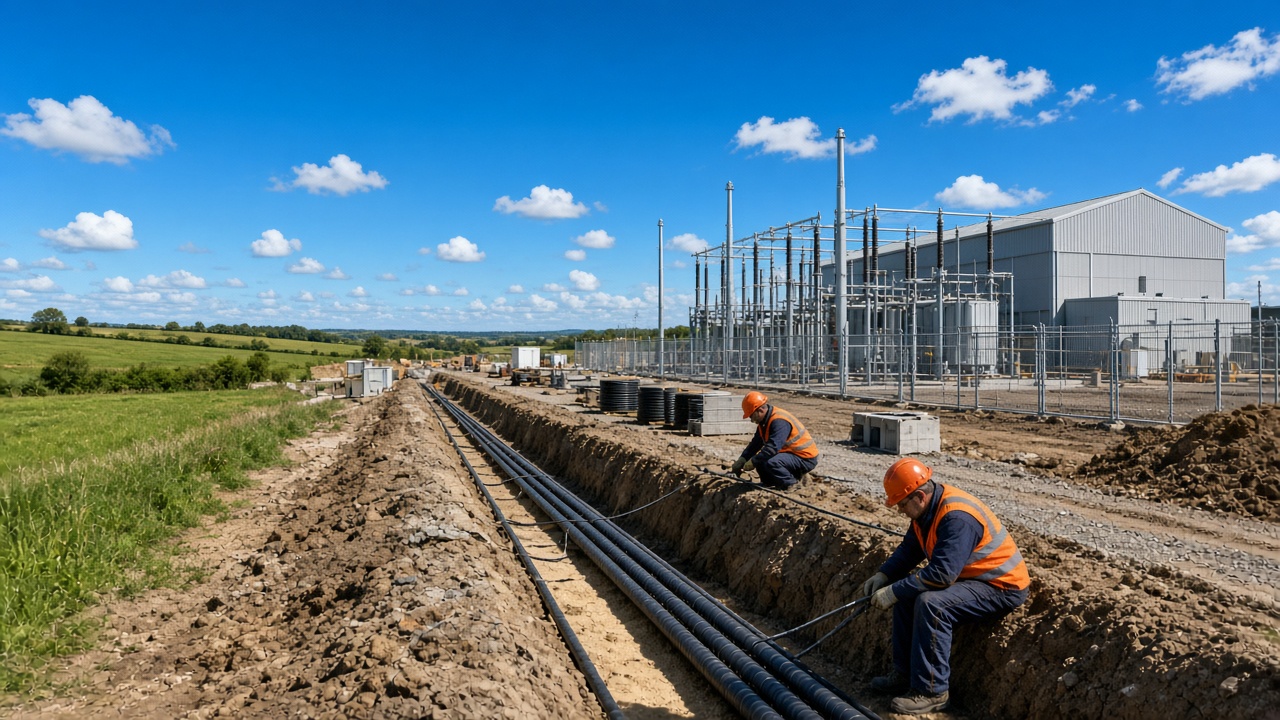
A cable jointer connects, repairs and terminates underground power cables. On a distribution network that usually means low voltage (LV) service and mains cables to homes and streets, then high voltage (HV) cables at 11kV and sometimes 33kV feeding substations. Higher up the ladder sit extra high voltage (EHV) jointers working on 66kV, 132kV and transmission cables at 275kV and 400kV.
A recent Aptus Utilities job ad gives a good picture of the day-to-day: live and dead LV jointing, mains and service joints, terminations, fault diagnosis and repair, HV jointing up to 11kV, and installing XLPE, EPR and older PILC (paper-insulated lead-covered) joints with heat-shrink and cold-shrink kits. A ScottishPower jointing role advertised this month adds cablehead changes, substation fuse replacement, fault location, generator connection and issuing safety documents.
So yes, you'll be in a trench in January. But you'll also be the person who gets a street's power back on after a fault, and the work demands real precision. Cut back to the wrong dimension or let dirt into the insulation, and a joint that looked fine on the day can become tomorrow's fault.
Offshore wind adds a further specialism. Array cables between turbines are typically 66kV, and the higher-voltage export cables that bring power ashore use manufacturer-specific kits. A CrewBase guide published this month makes a point I agree with: competence at one voltage doesn't carry over automatically. A 33kV jointer isn't a 66kV jointer until they've passed a 66kV joint, and Nexans' jointing centre in Castleford runs a dedicated 66kV course for people already skilled at 33kV.
Qualifications, cards and authorisations
The main route in is the Level 3 Power Industry Distribution Cable Jointer apprenticeship (ST1332), built by employers including UK Power Networks, Northern Powergrid, National Grid, SSE, ScottishPower, Electricity North West, Western Power, Balfour Beatty, M Group Services and Morrison Utility Services. The National Careers Service says power industry apprenticeships like this can take up to three years, combining on-the-job training with off-site study.
On top of the trade qualification, three things shape your employability:
- An EUSR Cable Jointer card. The EUSR scheme issues a Gold Skilled CSCS card for "Skilled Worker Cable Jointer". You need an in-date SHEA Power registration first, then evidence such as a recognised apprenticeship certificate, a Model Distribution Safety Rules (MDSR) authorisation from a DNO, or a NERS certificate of competence. Registration lasts three years.
- NRSWA street works tickets. Under the New Roads and Street Works Act, a qualified operative must be on site at all times during street works. The DfT guidance explains the key certificates (LA for locating and avoiding underground apparatus and O1 for signing, lighting and guarding) plus excavation and reinstatement units. Each certificate lasts five years.
- Company authorisations. This is the bit newcomers often miss. Your authorisation to work on a network is issued by the company under its safety rules, so it doesn't automatically come with you to the next DNO. ScottishPower's ad, for example, says training, tools and PPE are provided while you work towards company authorisation, after which you join the paid standby rota.
Useful extras that appear again and again in ads include confined space training, cable identification and spiking authorisation, substation access, first aid and a full UK driving licence. Offshore, you'll also need GWO safety training and an offshore medical.
Who's hiring
The core employers are the distribution network operators: UK Power Networks, SSEN, Northern Powergrid, SP Energy Networks and Electricity North West, along with National Grid. Then there's transmission work, plus a big contractor market that includes firms such as Aptus Utilities and the utility contractors behind the apprenticeship standard, many of them working on independent networks (IDNOs) as well as DNO networks. Offshore, the cable makers and installation contractors recruit jointers campaign by campaign.
The investment behind them is huge. SSE's latest jointer ad cites £33 billion of critical electricity infrastructure investment in the five years to 2030, and ScottishPower says it's investing more than £12 billion in its transmission network.
What HV cable jointers earn
Here's what I found in sources I could actually check, from salary data and live ads:
- Glassdoor puts the average UK cable jointer salary at £41,036, with a typical range of £32,431 to £58,534 based on 111 submitted salaries. Its median total pay by employer is around £45k at National Grid, £41k at UK Power Networks and £35k at SSE.
- SSEN advertised experienced HV/LV cable jointers in southern England at a base of £36,139 to £43,188, plus overtime and standby, at circa £50k on-target earnings, with a company vehicle and a skills-based pay matrix.
- ScottishPower is offering up to £42,550 base in Middlewich, with OTE of £50,000+ including standby and overtime, double time on Sundays and overnight, 36 days' annual leave, and pension matching up to 10%.
- Northern Powergrid advertised a Leeds craft jointer role in 2025 at £32,689 to £41,176 plus banked hours and standby, with a 27% shift allowance on a three-part shift pattern.
- Contract and offshore work pays more but is less predictable. CrewBase says onshore contract jointers commonly talk about £220 to £350 a day and offshore wind jointers £350 to £550, but stresses these are campaign rates, so annual earnings depend on how many days you actually work.
My honest read: a qualified DNO jointer is typically looking at around £35k to £43k base, and £50k-plus is realistic once standby and overtime kick in. Add EHV or offshore 66kV competence and you're in a much smaller, better-paid pool.
Why demand is only going one way
On 21 October, Energy & Utility Skills published workforce research for the new Electricity Networks Sector Growth Plan. It expects £181 billion of network investment through to 2035. The sector employs around 90,000 people directly today and will need to recruit and train about 71,000 by 2035 to cover growth, retirements and turnover. The construction and installation workforce alone is projected to more than double, from about 18,000 to 37,000. The report also flags shortages in critical occupations and long training lead times. We dug into the wider numbers in our 210,000 grid jobs piece.
At the very top end, the shortage is stark. A National Grid innovation project on the ENA portal notes that fewer than 30 jointers in the UK are certified to repair 400kV cable joints, and a significant number of them are expected to retire. Add the offshore build-out we covered in our North Sea wind update, and the case for training as a jointer is very strong.
My practical advice for getting in
- Starting out? Apply directly for DNO and contractor apprenticeships. You're employed while you train, and you finish with a recognised standard and network experience.
- Already an electrician? Target adult trainee jointer and jointer's mate roles with DNOs and contractors. Your electrical theory is a head start, but you'll still need supervised joints and company authorisation.
- Get your tickets sorted early. SHEA Power, NRSWA operative units and a clean driving licence make you easier to hire.
- Keep a log of the joints you've made, with voltage, cable type and kit manufacturer. Employers want specifics, not "HV experience".
- Climb the voltage ladder deliberately. LV, then 11kV, then 33kV, and only then 66kV, EHV or offshore work. Each step is a pay step.
It's a trade where craft still really matters, even as the grid gets smarter. If you want a career that keeps getting more valuable as Britain electrifies, this is a great one. Browse cable jointing and HV roles on our jobs board and see who's hiring near you.