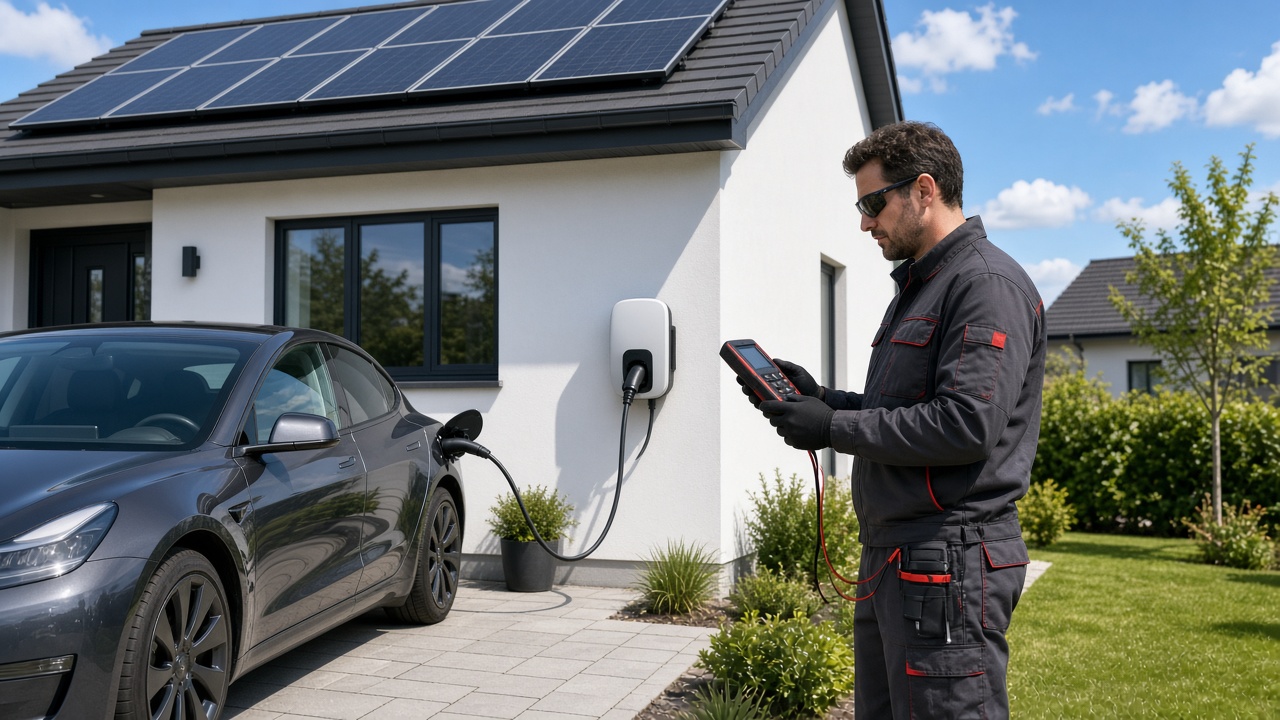
210,000 Grid Jobs by 2035: Where the UK's Electrical Careers Are
The new Electricity Networks Sector Growth Plan targets 210,000 jobs and £200bn of investment. Here's who's hiring, where, and the roles in demand.
Every so often a report lands that tells you exactly where the jobs are going to be for the next decade. The Electricity Networks Sector Growth Plan, published on 20 October 2026 by BEAMA and the Energy Networks Association, is one of those reports.
The headline: network operators and their supply chain are set to invest up to £200bn over the next ten years in the UK's transmission and distribution grids, supporting a total workforce of more than 210,000 jobs by 2035. If you're an electrician, an apprentice, an engineer, or someone wondering whether to retrain, this is worth ten minutes of your time.
What the plan actually says
According to BEAMA and New Civil Engineer's coverage:
- Up to £200bn to be invested over ten years to maintain, expand and modernise the grid.
- As many as 48,000 new high-quality, well-paid jobs across the sector and its supply chain, within a wider workforce of 210,000 by 2035.
- £58bn in direct gross value added to the UK economy.
- An ambition to keep 72p of every £1 spent within the UK economy, via local supply chains and local recruitment.
- Jobs spanning apprenticeships, engineering roles and senior posts, right around the country.
The plan describes the upgrades as "the biggest transformation of the UK's grid in living memory". It was built by 21 BEAMA members, including Schneider Electric, Siemens and Hitachi, and 10 ENA members such as National Grid, UK Power Networks and SSEN, with input from DESNZ, NESO, Ofgem and NISTA. BEAMA and the ENA are also launching an Electricity Networks Growth Partnership to turn the ambition into delivery.
Where the jobs will be
This is the bit I love: it's not all in London. The plan includes detailed regional breakdowns, for example:
- North of Scotland: almost £10bn GVA and 22,500 jobs
- South-west England: £4bn GVA and 16,000 jobs
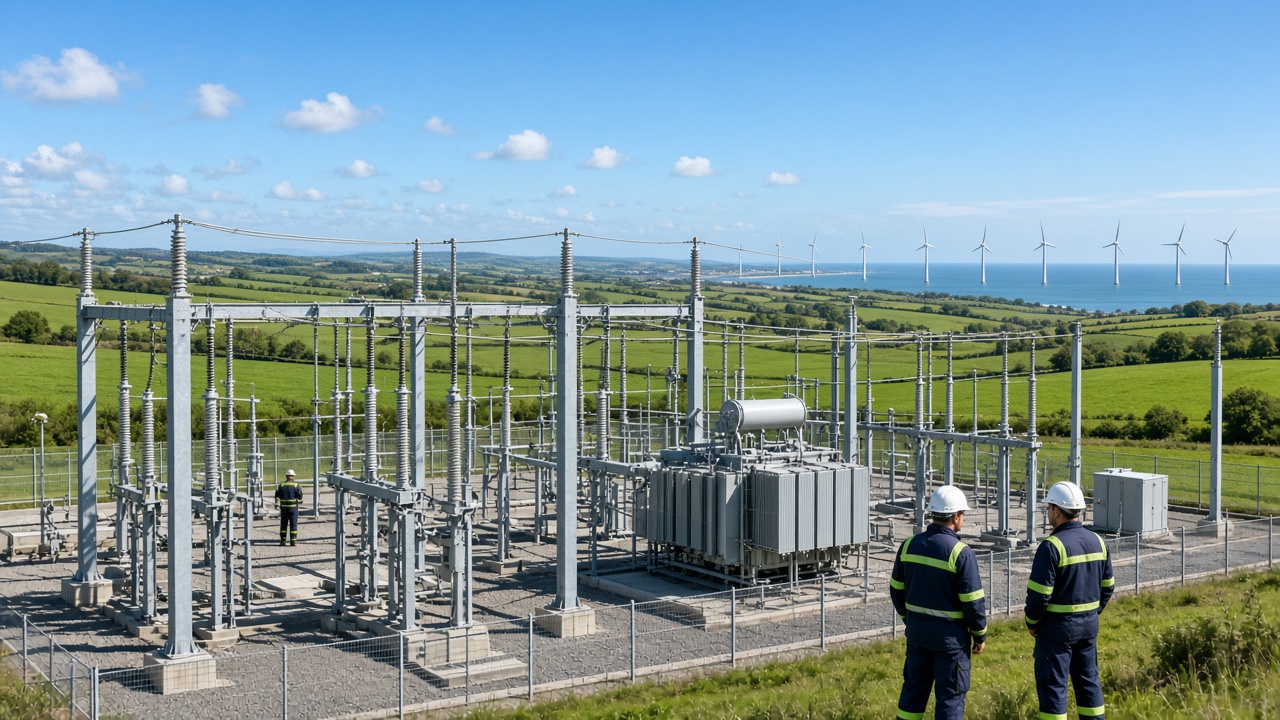
That makes sense. Big transmission upgrades follow the wind farms, interconnectors and new substations, many of which are in coastal and rural areas. For people outside the big cities, that means skilled, long-term careers close to home rather than having to move for opportunity.
The roles in demand
"Grid jobs" covers a lot of ground. Here's my quick guide to the roles that a programme like this leans on most. (We'll go deeper on each in future posts.)
Electrical fitters and substation electricians install, commission and maintain switchgear, transformers and protection equipment in substations. A natural step for an industrial or commercial electrician wanting to move into high voltage.
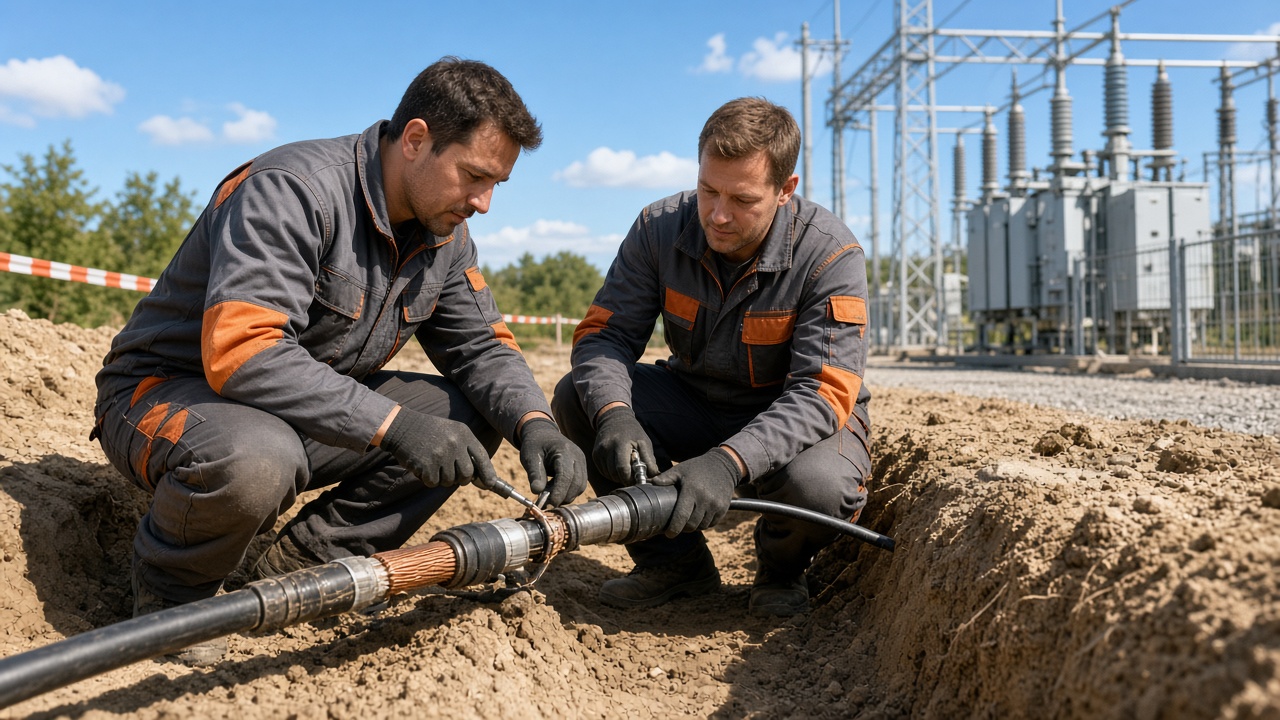
Cable jointers splice and terminate low, medium and high-voltage cables, often underground. It's skilled, precise work and jointers are perennially in demand.
Overhead linespeople build and maintain overhead lines and towers. Outdoors, physical, and absolutely critical to new transmission routes.
Authorised and senior authorised persons (APs/SAPs) manage switching and safety on HV systems. Experience plus authorisation makes these some of the most valued people on any network.
Protection and control engineers and technicians design, test and commission the systems that keep the grid stable, an area increasingly shaped by digital substations and automation.
Project, planning and design engineers turn £200bn of ambition into deliverable schemes. Plenty of these roles are open to people coming up through the tools as well as graduates.
Why it's not just hype
I want to be realistic. Big numbers in a plan aren't the same as wires in the ground. IN Power's Q3 2026 review points out that a September National Audit Office assessment put required transmission investment at around £70bn between 2025 and 2031, with constraint costs reaching £1.9bn in 2025-26. Of 80 transmission projects identified as necessary by NESO, 64 were under way, though many weren't expected to arrive by their originally optimal dates.
The same review is clear about the bottleneck: substations, lines, cables and transformers "must still be designed, procured, installed and commissioned", and specialist labour takes time to develop. In other words, the constraint on Britain's grid ambitions is partly people. That's precisely why this is such a good moment to build a career here.
How to get in (or move up)
If you're starting out: look at apprenticeships with distribution network operators (DNOs), transmission owners and the large contractors that serve them. The plan explicitly highlights apprenticeships as part of the job growth.
If you're already a qualified electrician: you're closer than you think. Many network roles value an 18th Edition background, and employers often train experienced electricians into HV, jointing or substation roles. Make sure you're current on BS 7671:2018+A4:2026, which became fully effective on 15 October, and highlight any industrial, commercial or HV exposure on your CV.
If you're an engineer or technician: protection and control, design and commissioning skills are going to be in fierce demand as digital substations roll out.
If you're in Europe: the equipment and skills squeeze is continent-wide, and UK networks have long recruited internationally for specialist HV skills. Keep an eye on our listings.
My take
I'm genuinely excited by this. A decade-long, nationwide programme to rebuild the grid, with a deliberate focus on local jobs and UK supply chains, is about as good as career security gets. The electricians, jointers and engineers who position themselves now will be the ones leading teams in 2030.
Ready to plug into it? Browse the latest electrical and grid jobs across the UK and Europe on ElectricalRoles.co.uk.