What Does a Senior Authorised Person Do? UK Pay, Skills, Routes

Senior Authorised Persons control HV systems on data centres, grid and hospital sites. What SAPs do, UK pay from £60k to £130k+, and how to become one.
There's one job title that turns up again and again when I look at the best-paid electrical roles in the UK right now, and most people outside the industry have never heard of it: the Senior Authorised Person, or SAP.
Data centres want them. Hospitals, universities, rail and manufacturing sites need them. Battery storage parks, solar farms and the grid contractors building out Britain's networks are all competing for the same small pool. If you're an electrician or electrical engineer wondering where the technical career ladder goes once you've mastered the tools, this is one of the most rewarding answers out there.
This is the latest in our series on what each electrical role actually does. We've already covered the commissioning engineer, the data centre electrician and the substation fitter. The SAP is the person all three of those roles end up working alongside, because nobody touches the high-voltage system without them.
What is a Senior Authorised Person?
A SAP is an engineer who has been formally appointed by an organisation to take control of its high-voltage (HV) electrical system and make sure every bit of work on it is done safely, under that organisation's electrical safety rules.
The key word is appointed. As specialist recruiter HVAC FM Recruitment puts it in its AP vs SAP guide, you can complete AP or SAP training, but formal status is normally granted by an employer or duty holder after your competence has been assessed. It's not a card you buy on a five-day course. That's partly why good SAPs are so scarce and so well paid.
The legal backdrop is the Electricity at Work Regulations 1989, which require that people working on or near electrical systems are competent and that work is done under safe systems. The AP/SAP structure is how most large sites put that into practice: a clear chain of who's allowed to switch, isolate, earth and hand over equipment, and who signs for it.
What does a SAP actually do all day?
The short version: they control access to danger. The longer version, drawing on HVAC FM Recruitment's 2026 SAP salary guide, typically looks like this:
- HV switching and isolation: operating switchgear and ring main units to take parts of the system out of service safely.
- Writing and checking switching schedules: the step-by-step plan for every switching operation, prepared in advance and followed exactly.
- Proving dead and applying earths: confirming equipment is genuinely de-energised and earthed before anyone works on it.
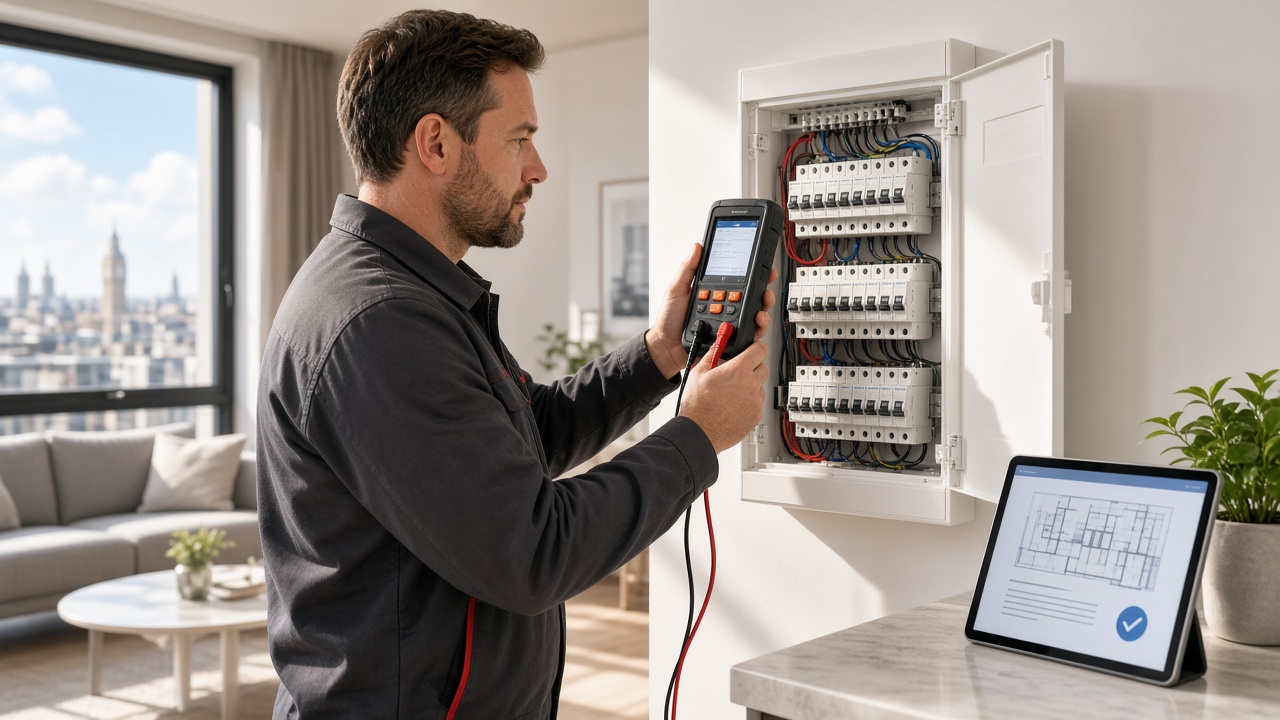
- Issuing safety documents: permits-to-work, limitation-of-access certificates and sanction-for-test documents that define exactly what a team may do, where, and until when.
- Reviewing RAMS and managing contractors: checking method statements and making sure only competent, authorised people work on the system.
- Emergency switching and incident response: being the calm person on the end of the phone when something trips at 3am.
- Records and governance: keeping operational logs, supporting audits and, at senior level, assessing and mentoring other APs.
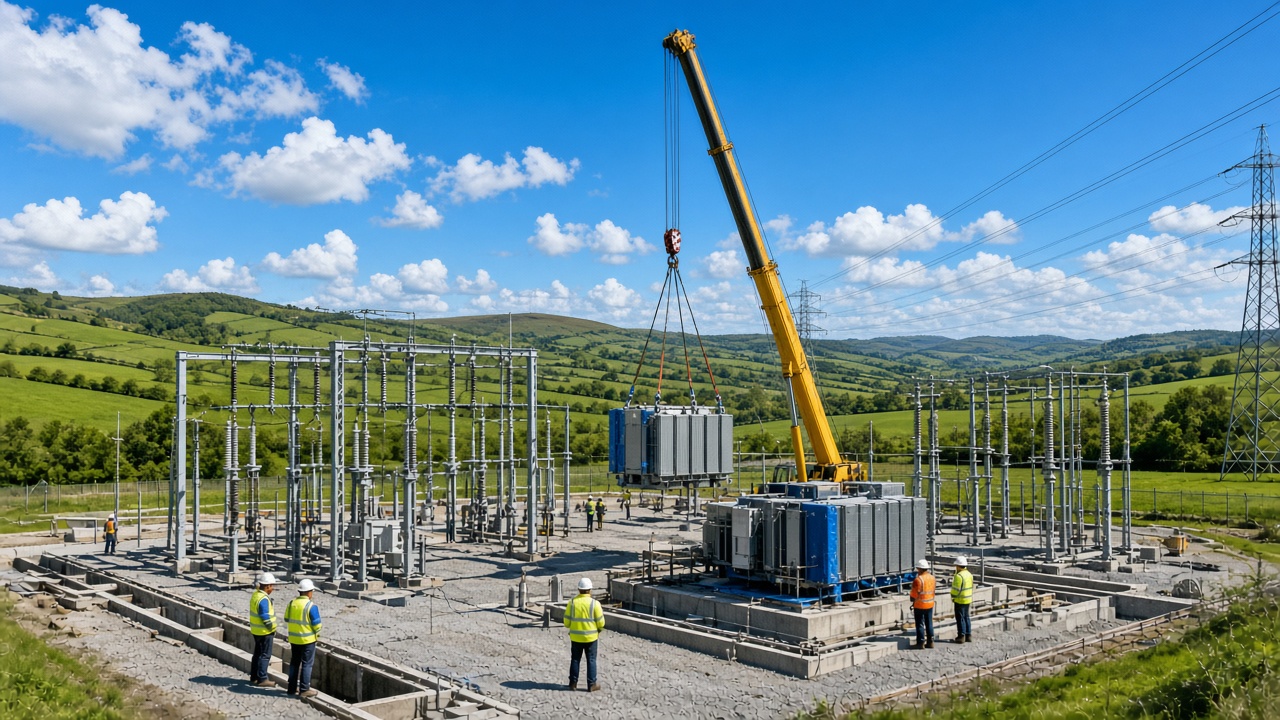
On a data centre campus that might mean a planned shutdown of a transformer for maintenance while keeping the halls running on redundant supplies. On a hospital site it could be switching around an HV ring so a ward block can be rewired. On a new solar or battery site it often means energisation day, when months of construction finally go live. It's a job that mixes deep technical knowledge with planning, paperwork and people skills, and I think that's exactly why it's so valuable.
AP vs SAP: what's the difference?
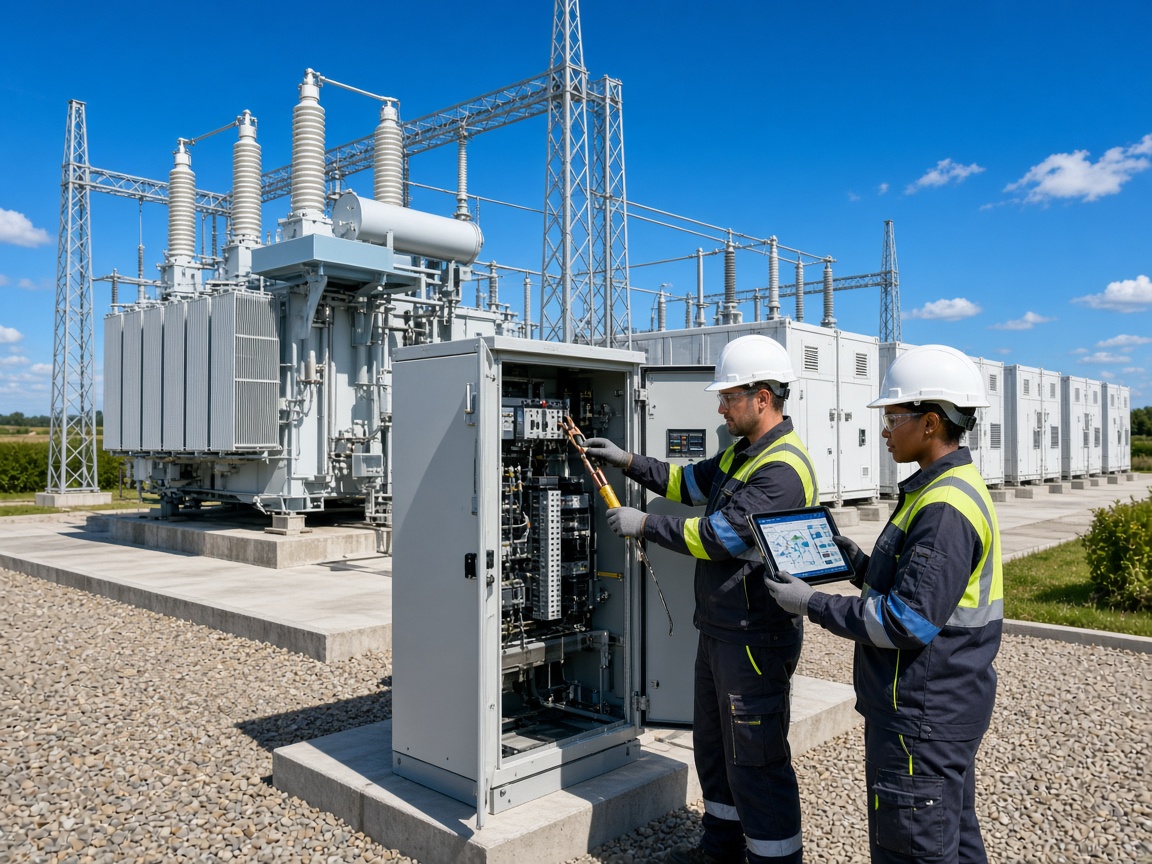
Lots of people use the terms interchangeably, but they aren't the same. An Authorised Person (AP) is appointed to carry out specific duties on defined systems. A Senior Authorised Person generally holds wider authority, particularly for HV switching, earthing, sanction-for-test and site-wide electrical safety.
The important nuance, which HVAC FM's guide stresses, is that there's no single national AP/SAP grading scheme. Each organisation's safety rules decide what its APs and SAPs can do, which voltage levels they cover and which documents they can issue. Two people both called "SAP" can have quite different scopes, and an appointment at one employer doesn't automatically transfer to the next. When you're job hunting, ask about voltage levels, the scope of authorisation and whether the employer will assess and appoint you against its own rules.
How much does a SAP earn in the UK?
This is where it gets interesting. According to HVAC FM Recruitment's 2026 guide, typical ranges look like this:
- Developing or deputy SAP: £60,000 to £72,000
- Senior Authorised Person: £70,000 to £90,000
- Experienced HV SAP: £80,000 to £100,000+
- Lead SAP or technical authority: £95,000 to £120,000+
- Specialist EHV or transmission SAP: £110,000 to £130,000+
Location matters. The same guide puts London and Docklands at £80,000 to £100,000+, Slough and the Thames Valley at £75,000 to £95,000+, and the North West and Midlands at roughly £65,000 to £82,000, with Scotland and South Wales a little below that. Voltage level matters too: authorisation at 11 kV, 33 kV, 132 kV and above pushes the number up.
Base salary is only part of it. Operational allowances, standby, call-outs, overtime and vehicles can add a lot. The guide cites one live role offering a £10,000 to £14,500 allowance on top of a £70,000 to £85,000 base. On the contract side it quotes rates from roughly £300 to £350 a day on some assignments up to around £95 an hour for specialist 33 kV work. For context, Authorised Persons typically sit around £65,000 to £80,000, according to the same recruiter.
These are recruiter benchmarks rather than an official survey, so treat them as a guide. But they line up with what I'm seeing in the market: experienced HV people can largely name their price at the moment.
Why demand is only going up
Two things are driving this. The first is the data centre build-out, with ever bigger facilities, bigger HV intakes and huge uptime pressure. The second is the grid. This week BEAMA set up a new Electricity Networks Infrastructure Services Group with United Infrastructure, Balfour Beatty and M Group as founding members, to tackle skills and delivery under a sector growth plan worth around £181bn of network investment by 2035. That plan estimates about 71,000 people need to join the directly employed networks workforce by 2035, covering both growth and replacement. The article highlights switchgear work, protection commissioning and safe isolation procedures that depend on appropriate training and authorisation as capabilities that limit how many projects can run at once.
In other words, authorised HV people are a bottleneck for the whole energy transition. That's a great position to be in.
How do you become a SAP?
There's no single route, but the path usually looks something like this:
- Get qualified as an electrician or electrical technician. An apprenticeship, NVQ Level 3 and your 18th Edition are the usual foundations. Plenty of SAPs also have an HNC, HND or degree, and the theory really helps with protection and system design.
- Build HV exposure. Look for roles in critical environments, facilities management, utilities, rail or industrial maintenance where you'll work around HV systems and permit regimes. Our live listings include roles like an HV Engineer (Authorised Person – Electrical) and an Electrical Authorised Person with major employers.
- Take HV operational and AP training, then get assessed and appointed as an AP by your employer.
- Gain experience as an AP. Switching, isolation, earthing, writing schedules, incident response. This is where judgement is built.
- Progress to SAP through further training and a formal competence assessment against your employer's safety rules.
From there the ladder carries on to lead SAP, technical authority, engineering manager and head of engineering. What I like about this route is that you don't have to give up being technical to earn senior money. You can stay close to the kit and still be one of the most valuable people on site.
Is it right for you?
If you enjoy order, planning and being the person others rely on when it really matters, yes. SAPs need to be methodical, unflappable and confident saying "no" when something isn't right, even when a project manager is leaning on them. It suits engineers who like systems thinking as much as hands-on work.
My advice: if you're an experienced electrician with any HV exposure at all, start the conversation with your employer about AP training now. The market is crying out for people with authorisation, the investment pipeline runs well into the 2030s, and the pay reflects it. Have a look at the latest electrical jobs on Electrical Roles and see where your next step could take you.