Sea Link, IFA and EGL1: The UK's HVDC Boom for Electricians
Sea Link wins consent, IFA gets £400m and EGL1's first UK-built transformer ships. What the HVDC boom means for electrical jobs in the UK and Europe.
Three pieces of news in the last fortnight tell one big story. On 30 October, the Energy Secretary granted development consent for Sea Link, National Grid's 138km high-voltage link between Suffolk and Kent. The day before, National Grid committed up to £400 million to keep the IFA interconnector with France running until at least 2050. And on 20 October, the first of 14 UK-built transformers for Eastern Green Link 1 rolled out of GE Vernova's Stafford factory.
Put together, they show that high-voltage direct current (HVDC) has moved from a niche specialism into one of the busiest corners of the UK electrical industry. I think it's one of the most exciting places an electrician, engineer or technician can build a career right now, so here's what's happening and where the opportunities are.
First, a quick HVDC refresher
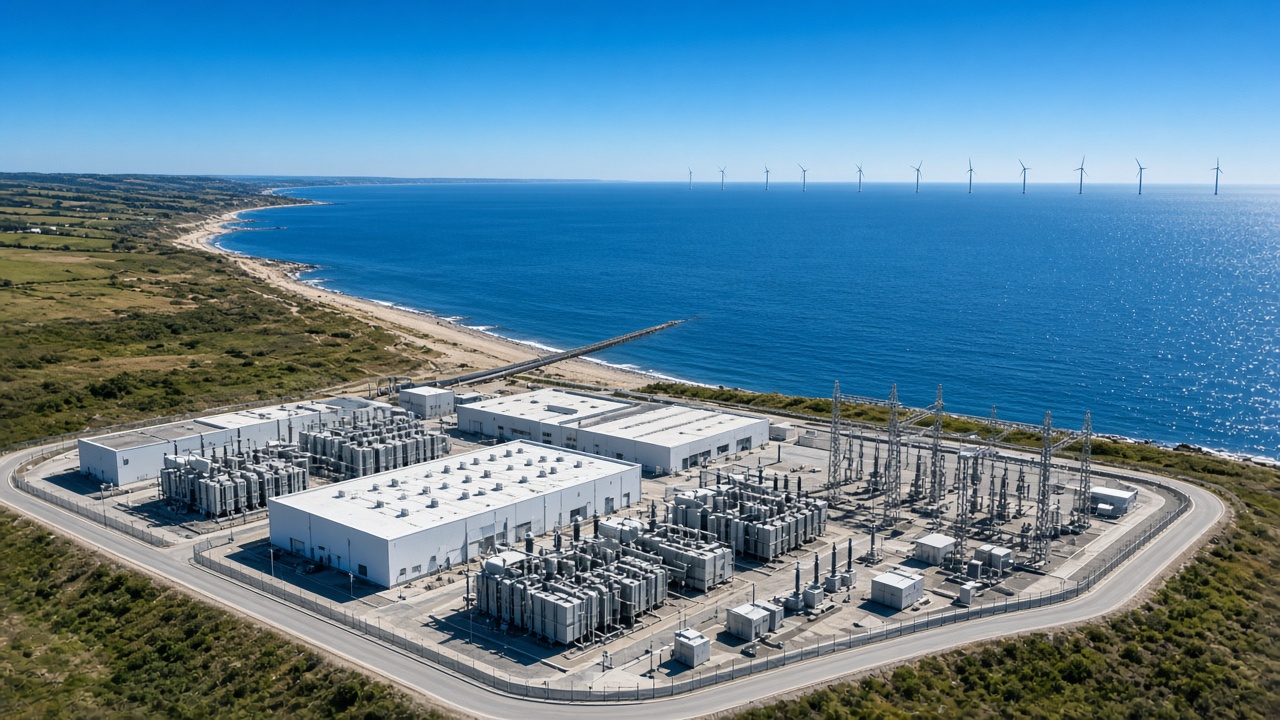
Most of the grid runs on alternating current. Over long distances, and especially under the sea, direct current is far more efficient for moving very large amounts of power. So an HVDC link has a converter station at each end, where AC is converted to DC, sent down the cable, and converted back again.
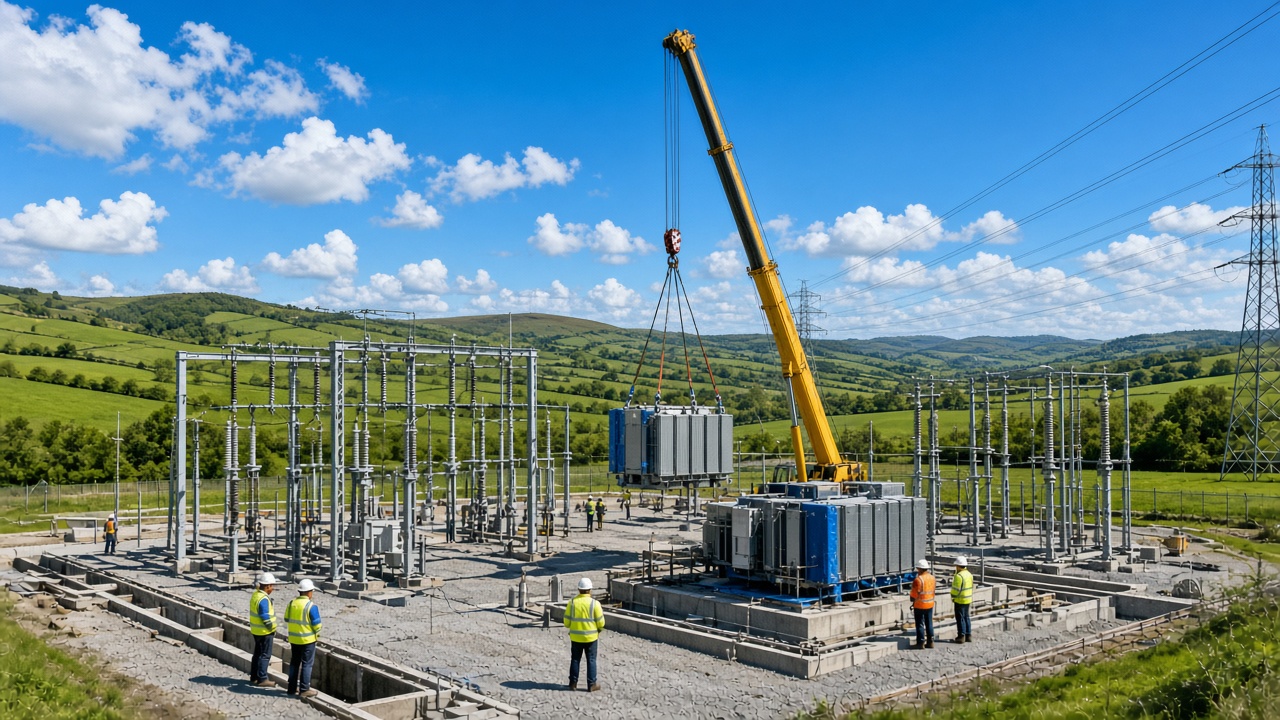
The cable gets the attention, but the converter stations are where much of the electrical work happens: valve halls, converter transformers, AC switchgear, protection and control systems, cooling, auxiliary supplies, earthing, lighting, fire detection and more. Every one of those systems needs people to install, terminate, test, commission and maintain it, often for decades.
Sea Link: consented, with construction expected from 2027
Sea Link is a 138km link, mostly offshore, between Suffolk and Kent, with a converter station in each county. It's part of National Grid's Great Grid Upgrade, and its job is to add capacity and flexibility so more low-carbon power can reach the places that need it.
The supply chain story is a good one for UK skills:
- Siemens Energy has been appointed to build the converter stations in Kent and Suffolk. National Grid says Siemens Energy has doubled direct employment across its UK grid and substation businesses over the past four years, creating nearly 400 jobs, including 120 apprentices and graduates. Its global HVDC software and controls centre of excellence is in Manchester.
- The subsea cable will be made by Sumitomo Electric at its new £350 million factory at the Port of Nigg in Scotland, the UK's first HVDC subsea cable factory. It's expected to create more than 200 skilled local jobs directly, with a wider impact of more than 400 jobs across the UK supply chain.
National Grid says construction is expected to start in early 2027, subject to detailed planning, with completion by 2031. Project director Adrian Pierssene said the link "will also support the jobs, skills and supply chain needed to deliver The Great Grid Upgrade."
That gives you a useful timeline. If you're an electrician in East Anglia or Kent, the converter station builds should create demand for site electricians, supervisors, testers and commissioning staff over the next few years. Large HV projects like this usually bring temporary works, site set-up and the supporting low-voltage installation before the specialist high-voltage kit even arrives.
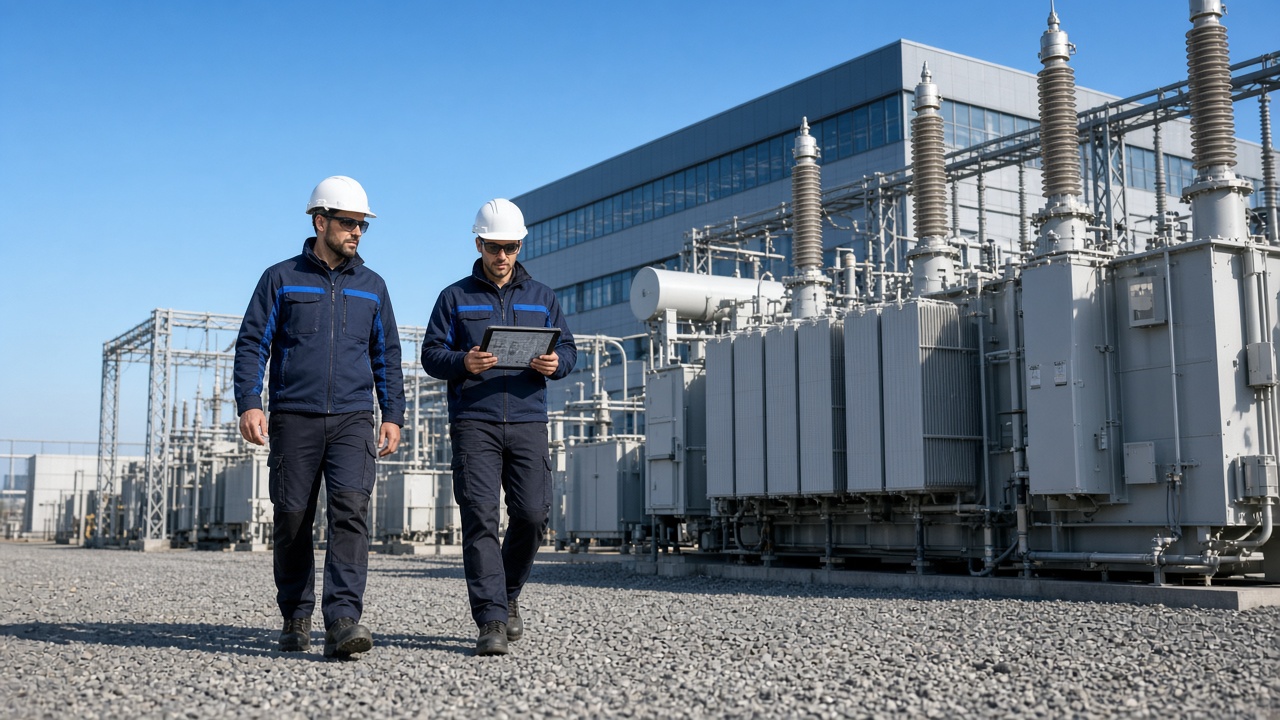
IFA at 40: the Anglo-French link that keeps on giving
IFA, short for Interconnexion France-Angleterre, started running in 1986. National Grid says it was the first modern interconnector linking Great Britain with continental Europe, and only the second subsea HVDC link in the world. It's still Britain's largest subsea connection by capacity, enough to power about three million British homes a year.
The new investment of up to £400 million (National Grid's share; RTE hasn't disclosed its own) is part of National Grid's plan to invest at least £70 billion across the group in the five years to March 2031. The work includes upgrades to essential technical equipment, buildings and facilities at the interconnector site.
I love this story for two reasons. First, it's a reminder that these assets last decades, so a career in HVDC isn't just about new builds. There's a long, steady tail of refurbishment, life extension and maintenance work. Second, it shows the European side of this market. Energy Minister Michael Shanks said Britain has exchanged energy with its European neighbours "for decades". Interconnectors are where UK and European grids meet, and the skills you build on one project transfer well across the Channel and the North Sea.
Eastern Green Link 1: British-built kit on the move
The third story is about manufacturing. The transformer that left GE Vernova's Stafford factory on 20 October is the first of 14 being built for Eastern Green Link 1, a 2GW, 196km link between Torness in East Lothian and Hawthorn Pit in County Durham. EGL1 is a joint venture between National Grid Electricity Transmission and SP Energy Networks, and it's one of five Eastern Green Link projects National Grid has in development or under construction.
The transformers will be stored at Ellesmere Port and then shipped to the converter sites, with installation due to start from July 2027. That's another clear signal: from mid-2027, converter station work in Scotland and the North East moves into its heavy electrical phase.
So where are the jobs?
This is the bit I care about most. HVDC projects need a wide mix of people, and plenty of the roles are open to experienced electricians who are willing to specialise:
- Site and installation electricians for the converter buildings, auxiliary systems, containment, cabling, lighting, small power and fire systems. Standard JIB-graded skills are the way in.
- Cable jointers and terminators, especially on the onshore HV sections. If this interests you, start with our guide to what an HV cable jointer does.
- Testing and commissioning engineers, one of the most in-demand and best-paid paths in the sector. Experience with protection relays, SCADA and control systems carries a lot of weight.
- Substation and HV technicians with authorised person experience, for both construction and the long operational life of these assets.
- Factory and test-bay roles in transformer, switchgear and cable manufacturing, from Stafford to the Highlands.
- Controls and software engineers, a growing part of the industry, as Siemens Energy's Manchester controls centre shows.
The practical route for most qualified electricians is to get onto a major HV or substation project in any role, then build up. Get your HV awareness and switching training, ask to shadow the commissioning team, and keep a log of every system you've worked on. In my experience, people who move up fastest in this sector are the ones who show curiosity about how the whole system works, not just their own scope.
My take: a long, bright pipeline
It's easy to read grid news as a stream of press releases. But these three stories have one thing in common: hard dates. Sea Link construction from early 2027, EGL1 transformer installation from July 2027, and IFA's life extended to 2050. Add the grid connections reform that's freeing up queue capacity, plus the North Sea offshore wind pipeline, and HVDC looks set to be one of the most dependable sources of skilled electrical work in the UK and Europe for the next 25 years.
There's also something quietly brilliant about all this being built with British labour, from transformers in Staffordshire and cable in the Highlands to controls software in Manchester. That's real industry, real apprenticeships and real careers.
If you've been thinking about moving from domestic or commercial work into HV and grid, I'd start now, while these projects are in their ramp-up phase rather than at peak, when everyone else will be trying to get in. Browse the latest electrical, HV and grid jobs across the UK and Europe and make your move.