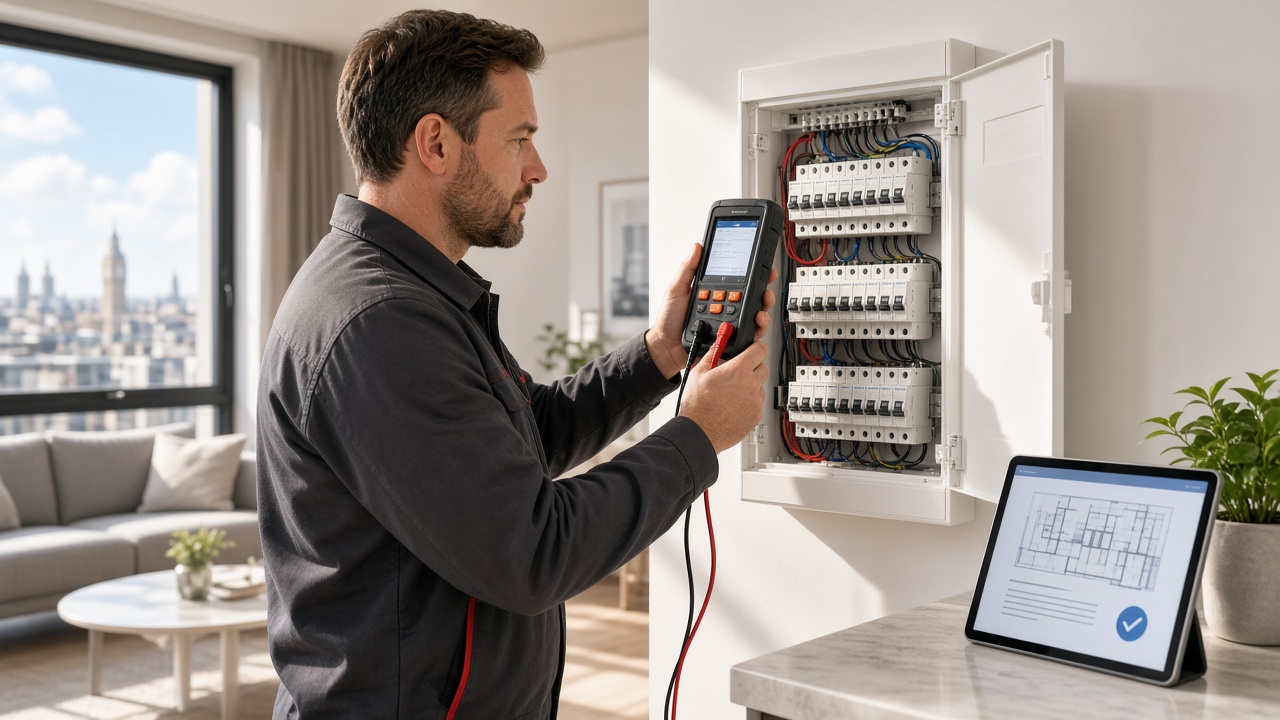
Smart Tariff Rules Are Coming: What UK Electricians Need to Know
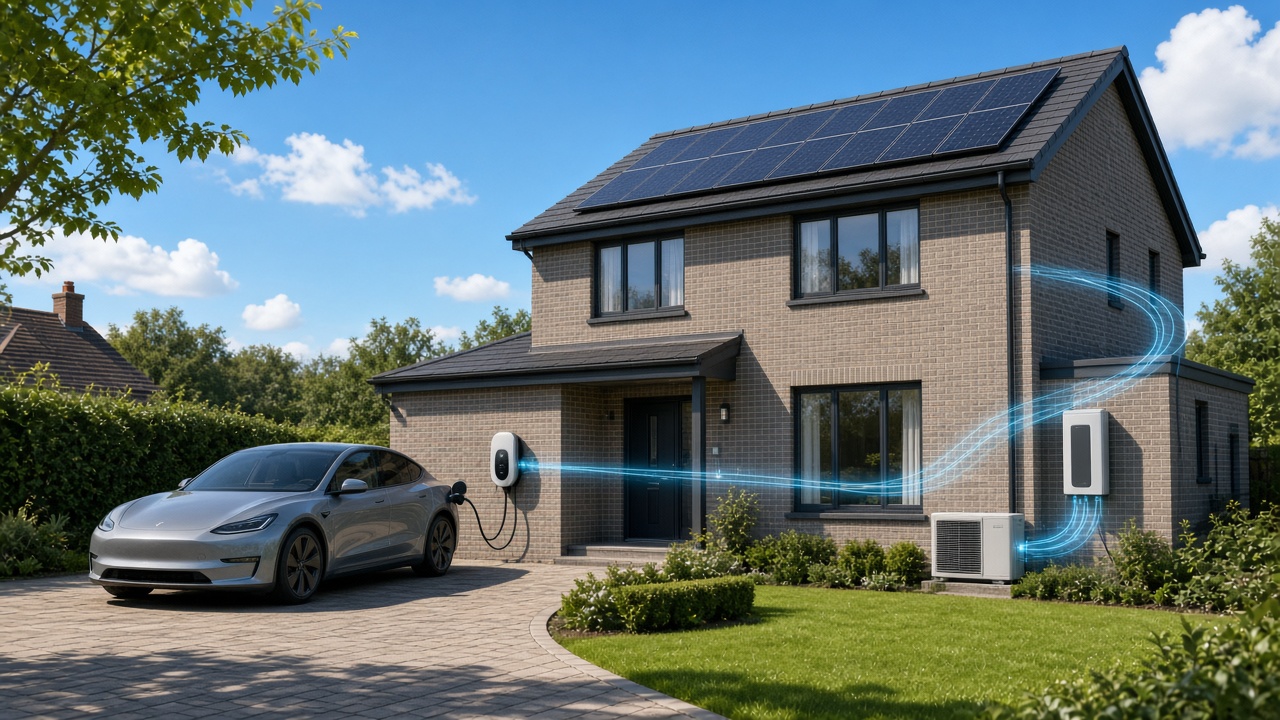
From Feb 2027 suppliers must publish tariffs in one format smart chargers and heat pumps can read. What the new rules mean for UK electricians and installers.
Most electrical news is about big kit: interconnectors, substations, converter stations at sea. This one is smaller, quieter and, I think, just as important for anyone who fits EV chargers, heat pumps or home batteries for a living. On 30 October the Department for Energy Security and Net Zero quietly changed the rules on how electricity suppliers have to share their prices, and it sets up a proper deadline: from 18 February 2027, every mandated supplier in Great Britain has to publish its tariffs through one standard, public API that smart appliances can read.
That sounds like a job for software people, not sparks. It isn't only that. When a customer's charger or heat pump can actually "see" the cheapest hours, the quality of the install, the comms and the commissioning suddenly matter a lot more. Here's what's changed, what's still coming, and what I'd be doing about it if I ran a domestic electrical business today.
What actually happened on 30 October
DESNZ published a notice modifying the Retail Energy Code for what it calls Tariff Interoperability Phase 1a. The modification takes effect on 6 November 2026, and it locks in the final technical rules for how suppliers must share tariff data ahead of the planned go-live on 18 February 2027.
The obligation itself isn't brand new. Back on 18 May 2026, the government added a new supply licence condition (SLC 11C) requiring suppliers to make pricing data available in a standard format, plus a new REC Schedule 35 setting out the arrangements. What October adds is the finished technical specification, written formally into the code. As The Duck Curve explains, the API is refreshingly simple: get the list of supplier endpoints, get a supplier's tariffs, get one tariff's details. The final version also added conditional requests (so a device can get a quick "not modified" reply rather than re-downloading unchanged prices) and gzip compression.
A few details worth knowing:
- It's electricity suppliers with domestic customers that are in scope. Gas suppliers can opt in voluntarily.
- Closed tariffs still count if existing customers are still being charged on them, and Smart Export Guarantee tariffs are in where they meet the licence definition.
- New tariffs must appear on the API at least 60 minutes before customers can be supplied on them, according to RECCo's FAQ as reported by The Duck Curve.
- Suppliers must attest readiness by 8 January 2027, at director level, after completing RECCo's test scenarios.
Why one price list changes the game
Here's the problem it fixes. Today, if a charger or heat pump maker wants its kit to respond to prices automatically, it has to build a separate integration for each supplier, because each one publishes tariffs its own way. That's why "smart" features often only work properly with a handful of suppliers and tariffs. As Grid Brief puts it, a heat pump or charger can only follow prices it can read. One mandated format turns many integrations into one.
The money is real, too. In its consultation on smart appliance rules, the government says households with heat pumps could save more than £250 a year by shifting to a smart tariff and running the heat pump flexibly, and EV drivers can typically save around £330 by smart charging at home. When your customer asks "is this charger worth the extra?", that's a much better answer than "it's got an app".
One important limit: Phase 1a is a public price list, not an account connection. The device or app still needs to know which supplier and tariff the household is on. Account-specific data, tariff-change notifications and switching are left to Phase 1b, which DESNZ aims to consult on in November 2026, with a proposed go-live in November 2027. So for now, part of a good handover is making sure the customer actually knows their tariff name and has entered it correctly. I'd make that a line on your commissioning checklist.
The appliance rules are the other half
Tariff data is the price half of the government's Smart Secure Electricity Systems (SSES) programme. The appliance half is the draft Energy Smart Appliances Regulations, which aren't law yet but are worth understanding now because they'll shape the kit you fit.
According to the consultation, the draft rules would:
- Bring in a smart mandate for electric heating appliances up to 45kW thermal capacity, including heat pumps, hybrid heat pumps, heat batteries, storage heaters, standalone direct electric hot water cylinders and hot water heat pumps. Air-to-air heat pumps are excluded.
- Fold the existing EV smart charge point rules (the Electric Vehicles (Smart Charge Points) Regulations 2021) into one set of regulations for all smart appliances.
- Set minimum requirements on smart functionality, cyber security (ETSI EN 303 645) and grid stability, including a randomised delay of up to 10 minutes to stop thousands of devices switching on at the same instant.
- Require a Class B accurate energy meter inside in-scope appliances, measuring to roughly ±2%.
- Cover smart domestic batteries of 1kWh and above that are sold with smart functionality.
The timing has moved. The original plan was for most requirements to bite from 31 December 2027. The Heating and Hotwater Industry Council has since reported that DESNZ told it the date for electric heating appliances will move to 31 October 2028, or two years after the regulations are made, whichever is later, subject to final approval. A second phase covering interoperability between appliances and flexibility service providers is planned to take legal effect from 2029.
The obligations land on manufacturers and importers, not installers. But installers are the people who make the "smart" bit actually work in somebody's house.
What this means for UK electricians
I genuinely think this is good news for the trade. Here's why, and what I'd do about it.
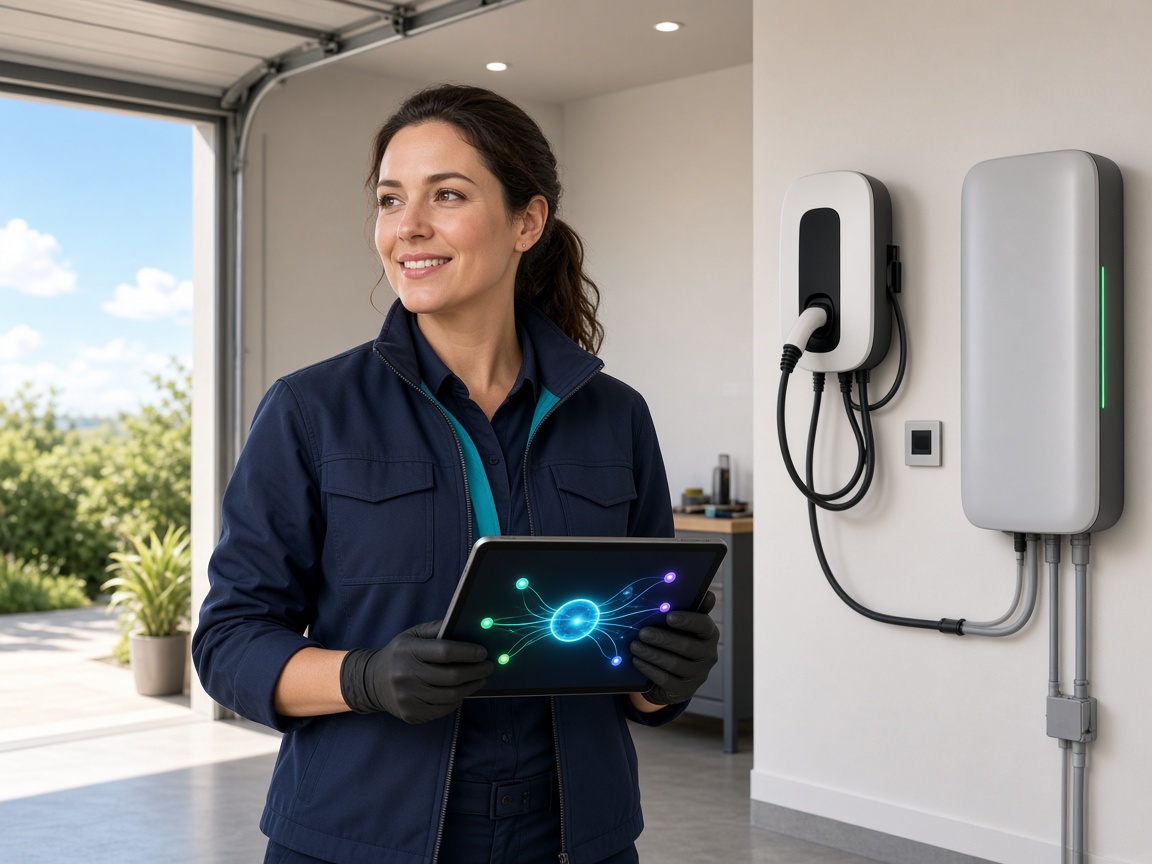
Connectivity becomes part of the job. A smart charger that can't hold a Wi-Fi or 4G connection in the garage is just a dumb charger with extra steps. Check signal strength before you quote, carry a way of testing it on site, and be ready to recommend a hardwired data run or a mesh access point. Charging an extra hour to get comms right is far better than a callback three weeks later.
Commissioning matters more than ever. Under the existing EV smart charge point rules, new chargers must prompt the user to accept, change or remove default off-peak hours on first use. The draft appliance rules extend the same idea to heat pumps and batteries. Walk the customer through it. Make sure the tariff, schedule and app login are set up before you leave, and note it on your paperwork.
Get your design and paperwork right. EV chargers, heat pumps and batteries all affect maximum demand and often need DNO notification or approval. With Amendment 4 to BS 7671 now fully in force since 15 October, and the new EAS competence rules covering EV charging, solar PV and energy storage, there's no room for shortcuts. If you want a refresher, I covered both in our BS 7671 Amendment 4 and EAS explainer.
Sell the whole system, not a box. The biggest bill savings come when the charger, heat pump, battery and solar all respond to the same price signal. Firms that can design and commission an integrated low-carbon home, and explain it simply, will win the better jobs. That's a real step up from "supply and fit".
Talk about it with customers now. Plenty of homeowners will read headlines about smart tariffs next February. If you're the electrician who explained it to them first, and who set up their kit so it's ready, you're the one they'll call for the battery next year.
Careers: who's going to need these skills
From a jobs point of view, this pushes demand toward a particular profile: the domestic or light commercial electrician who's comfortable with networking, apps, inverters and energy management, as well as cables and protective devices. Think EV charge point installers, MCS heat pump and solar installers, battery specialists, and the commissioning and support engineers at manufacturers and energy companies who keep fleets of these devices running.
If that's where you're heading, our guide to what an EV charge point installer does is a good starting point. I'd also add basic networking knowledge to your CV. Understanding IP addresses, Wi-Fi bands and why a device keeps dropping offline is fast becoming a genuine trade skill, and employers notice.
Across the Channel
This isn't just a British idea. Across Europe, the push for flexible demand from heat pumps, EVs and home batteries is building in parallel, and the HHIC noted that DESNZ has proposed accepting EU Measuring Instruments Directive compliance as equivalent to the GB rules, plus EN 18031-3 as an alternative cyber security route. That's helpful for manufacturers selling into both markets, and it means the skills you build installing and commissioning smart kit in the UK travel well.
My take
I love this kind of policy because it's practical. No grand launch, just a clear deadline and a standard that lets everyone's kit talk the same language. February 2027 won't flip a switch overnight, and Phase 1b still has to solve the "which tariff am I on?" problem. But the direction is obvious: homes are becoming small, smart power stations, and electricians are the people who wire them up and make them work.
The sparks who get ahead of this now, with solid comms, careful commissioning and a good customer handover, will have a busy few years. If you're looking for your next move in EV, heat pumps, solar or storage, browse the latest electrical jobs across the UK and Europe on ElectricalRoles.co.uk.