BS 7671 Amendment 4 and New EAS Rules: What UK Electricians Must Know
Amendment 4 to BS 7671 is now fully in force and new EAS competence rules cover EV, solar PV and battery work. Here's what UK sparks need to do now.
October 2026 has been a big month for the rulebook. Within the space of two weeks, UK electricians have had two significant changes land: new competence requirements for low-carbon work under the Electrotechnical Assessment Specification (EAS) from 1 October, and BS 7671:2018+A4:2026 coming into full effect on 15 October.
Neither is a reason to panic. Both are a reason to act. And taken together, I think they tell a really positive story about where the trade is heading. Let's unpack them.
Amendment 4 to BS 7671 is now the only game in town
As NAPIT confirmed on 15 October, Amendment 4 is now in full effect following the withdrawal of the previous version, BS 7671:2018+A2:2022+A3:2024.
The timeline, for anyone who's lost track:
- 15 April 2026: BS 7671:2018+A4:2026 published, and could be used immediately.
- 15 October 2026: the six-month transition ends; the previous version is withdrawn.
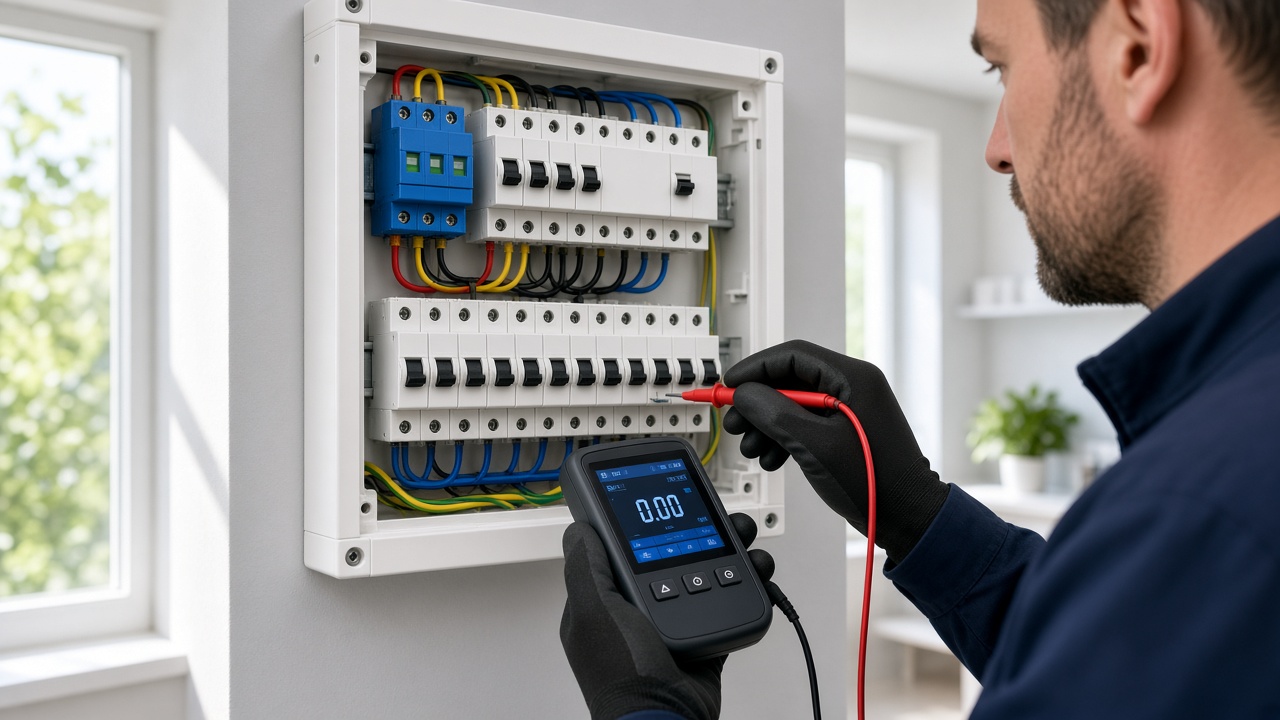
So if you're designing, installing, inspecting or certifying work today, it's Amendment 4 you need to be working to. NAPIT's Managing Director Stephen Melton put it simply: "It's key that electricians can stay up to date and deliver the highest professional standards."
What to actually do
- Get the books. The Wiring Regulations, the On-Site Guide and Guidance Note 3 have all been updated for Amendment 4.
- Get the qualification or CPD. Scheme providers including NAPIT are running Amendment 4 courses in one- and three-day formats, online, virtual and classroom, plus webinars for members.
- Check your paperwork. Make sure the certificates and software you're issuing reference the current edition.
- Brief your team. If you run a business, don't assume everyone has caught up. A short toolbox talk now saves a lot of awkward conversations later.
The EAS changes: competence for EV, solar and storage
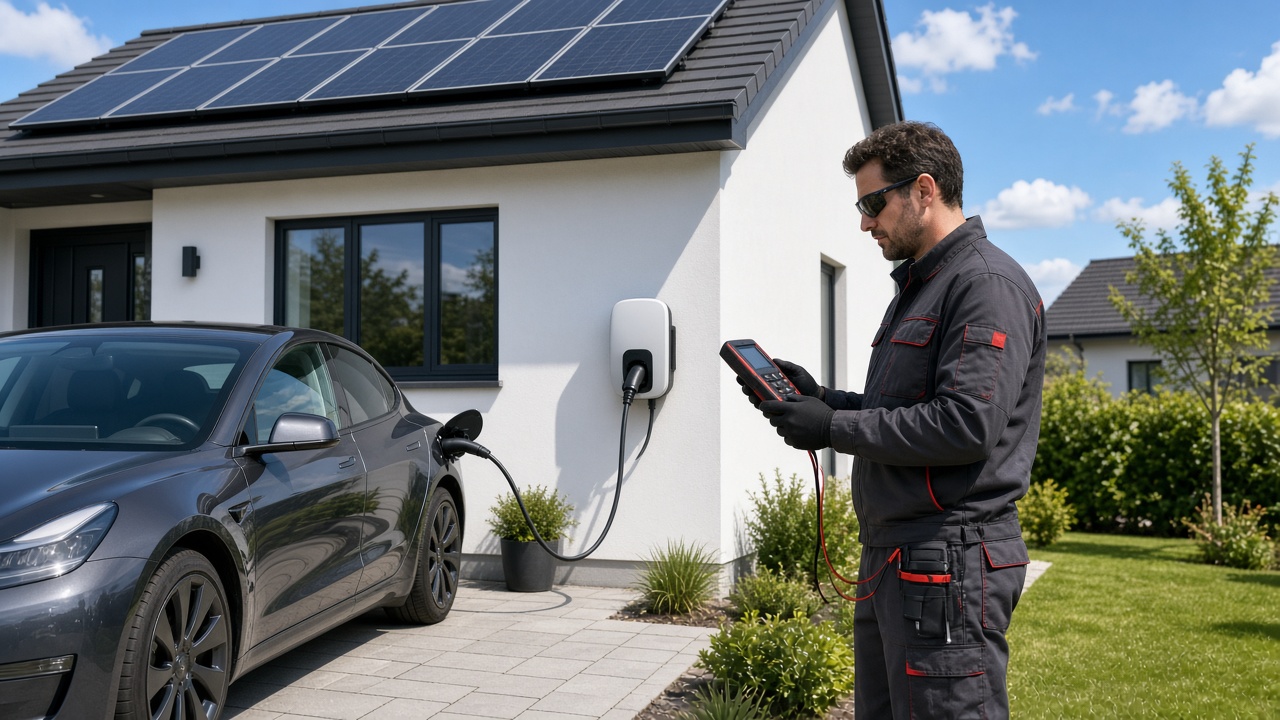
This is the change I think matters most for the future of the trade. From 1 October 2026, the updated EAS introduces defined work categories and mandatory technical competence requirements for:
- Electric vehicle charging equipment
- Solar photovoltaic systems
- Electrical energy storage systems
- Micro-wind turbines
As Kelly Energy Training explains, the key question becomes: can the individual carrying out the work evidence the qualifications, experience and competence relevant to that specific work category?
That last bit is crucial. It's not enough for the business owner or Qualified Supervisor to hold the right tickets. Employees, subcontractors and anyone else doing work in these categories need to be part of the competence picture.
Why I think this is good news
Some will see this as more red tape. I see it differently. EV chargers, solar PV and batteries are no longer niche add-ons; they're becoming core domestic and commercial work. Formal competence standards:
- Protect customers from poor installs on technology that involves DC, stored energy and grid interaction.
- Protect good contractors from being undercut by people without the skills.
- Make specialist skills visible and valuable. If you've invested in EV, PV or storage training, that now counts for something tangible when you're hired or quoting.
What to do now
- Audit your competence evidence for everyone doing EV, PV, storage or micro-wind work, including subbies.
- Fill the gaps with recognised qualifications for each category you work in.
- Keep records. Training certificates, assessment evidence and examples of completed work all help.
- Talk to your scheme provider about how they're assessing the new categories.
The bigger picture: a £200bn grid upgrade
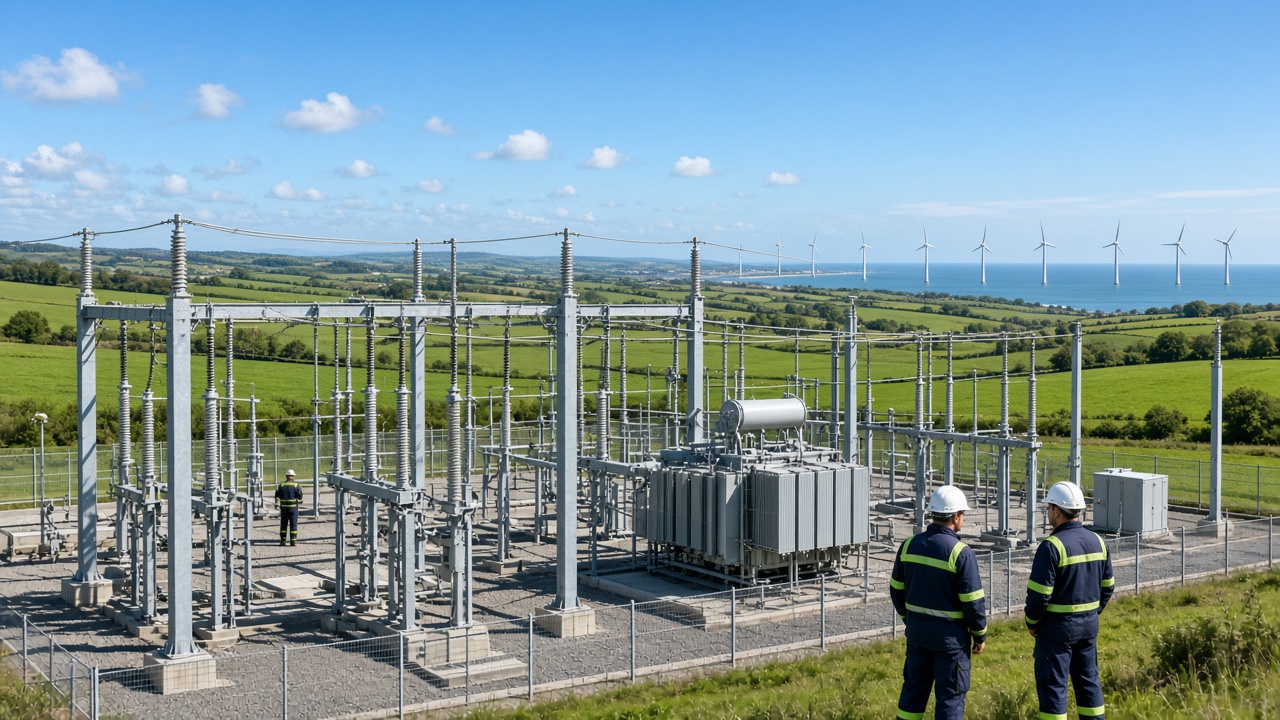
These rule changes aren't happening in a vacuum. On 20 October, BEAMA and the Energy Networks Association published the Electricity Networks Sector Growth Plan, setting out up to £200bn of network investment over the next ten years and a target to support more than 210,000 jobs by 2035.
Meanwhile, IN Power's Q3 2026 review highlights the gap between planning and delivery: a National Audit Office assessment put required transmission investment at around £70bn between 2025 and 2031, constraint costs hit £1.9bn in 2025-26, and of the 80 transmission projects NESO identified as necessary, 64 were under way. IEA analysis cited there found transformer prices have risen around 75% since 2019. Equipment, and skilled labour, remain the bottleneck.
Put it all together and the message for the trade is clear. Britain is electrifying homes, transport and heat while rebuilding the grid behind them. Higher competence standards at the domestic end and massive investment at the network end both point the same way: more demand for properly skilled electricians.
And across Europe?
The same pressures are playing out across the continent. The European Commission has introduced provisional safeguards covering grain-oriented electrical steel, laminations, cores and transformers, according to IN Power, as Europe grapples with the same equipment crunch. We'll dig into EU regulation and hiring in future posts.
My take
October's changes are a nudge to every electrician in the UK: the job is getting more technical, and the market is starting to reward that formally. If you're already competent in EV, solar and storage, make sure you can prove it. If you're not yet, there's never been a better time to get trained. The work is there, the investment is there, and the regulations now back up the people who do it properly.
Looking for a role where those skills are valued? Browse the latest electrical jobs across the UK and Europe on ElectricalRoles.co.uk.