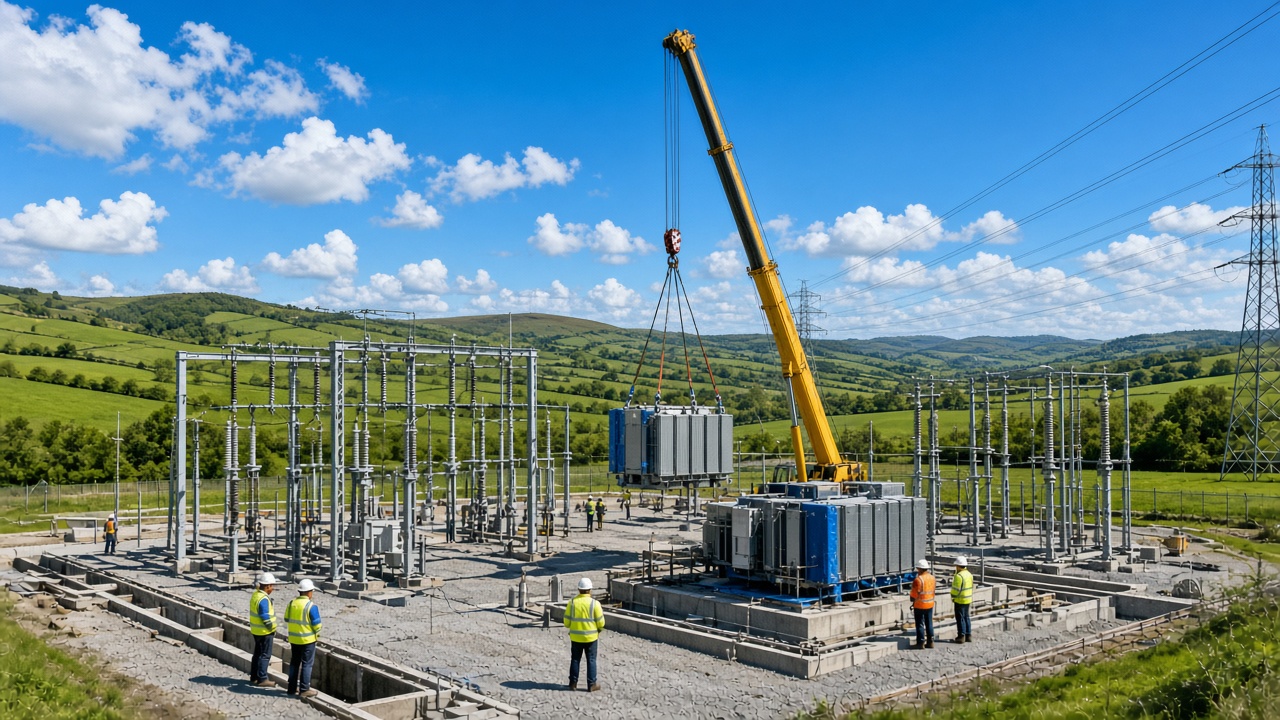
UK Needs 12,000 More Electricians by 2030: Skills Fix
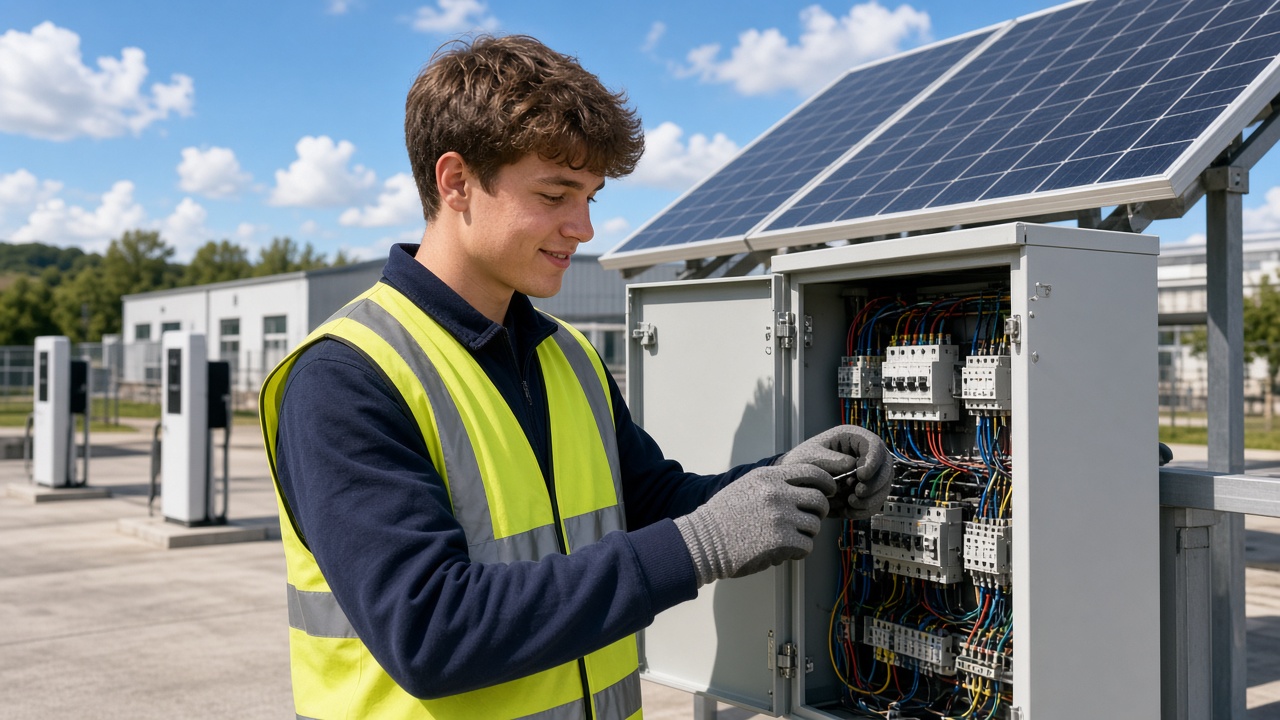
Skills England wants ~12,000 more UK electricians by 2030. Apprenticeship starts are falling — here is what employers and learners should do now.
The shortfall is real — and the pipeline is wobbling
If you run a contracting firm, manage a facilities team or you are an electrician wondering where the work is heading, the numbers landing this year should focus the mind. Skills England estimates England needs roughly 12,000 more electricians by 2030 just to hit clean-energy targets — and that figure sits on top of the housing, infrastructure and digital demand already chewing through the same talent pool.
At the same time, the people pipeline is not keeping pace. The ECA's 2026 Electrical Skills Index found electrical apprenticeship starts fell 5.5% while overall apprenticeship starts rose 4.1%. Classroom interest is there — more than 26,000 learners sat on government-funded electrical courses in 2024/25 — yet fewer than one in five progressed into an apprenticeship or skilled employment within twelve months. That is a leaky funnel, not a shortage of people who fancy the trade.
I am optimistic about this industry. Electrification, renewables and smarter buildings are only going one way. But optimism without apprenticeships, work-based routes and honest employer investment is just a nice speech. Here is what the latest research actually says, and what you can do about it this quarter.
What the data says about the workforce
JTL's Powering the Future model, highlighted by City & Guilds in June 2026, puts hard edges on the decline. England's electrical workforce fell more than 25% between 2018 and 2024 — from about 214,200 to 158,000. Without intervention, the same modelling suggests it could shrink by roughly another 32% by 2038. To stabilise the workforce, the sector needs around 10,000 new apprenticeship starts a year; current starts sit nearer 7,540.
Construction News covered the same squeeze in February 2026 under the blunt headline that workforce reality is biting. London, the North West and the West Midlands are among the hardest hit. The East Midlands, South West, South East and London averaged an 8% fall in electrical apprenticeship starts versus 2022/23, while classroom enrolments rose about 16%. People are signing up for theory. Too few are landing on site with a proper indenture.
The Learning and Work Institute's November 2026 report, The road to net zero, adds the clean-energy overlay. DESNZ clean-energy demand alone needs another 7,000–8,500 electricians and electrical fitters by 2030. The same pool is expected to deliver heat pumps, solar, batteries and grid work. Public EV charge points are a useful stress-test: around 300,000 are expected by 2030, against roughly 121,000 mid-2026, yet only 5,119 public charge points were added in the first half of 2026 — a slowdown versus prior years. Installers, testers and competent supervisors are the bottleneck as much as kit.

Why classroom starts are not enough
Classroom courses matter. They introduce people to the craft, open doors for career-changers and give employers a pool to interview. But electrical competence is built on tools, drawings, containment, fault-finding and certification under pressure. When more than four in five classroom learners are not progressing into apprenticeships or skilled roles within a year, the system is training interest, not finishing electricians.
That gap shows up as overtime, postponed domestic upgrades, slower commercial programmes and contractors bidding work they cannot staff. It also shows up as frustrated learners who did everything the course asked and still cannot find a sponsor. If you are an employer waiting for "someone ready-made" to appear on a job board, you are competing with every data-centre, housing and renewables project in the country for the same short list.
What employers should do now
Hire apprentices this year, not "when the books look better". The maths in the JTL model is clear: starts are thousands short of the level needed just to hold the workforce steady. Practical steps that work:
- Open at least one apprenticeship place per crew if you are busy enough to justify overtime. A second-year apprentice who can pull cable, set out and learn testing under supervision pays back faster than endless agency cover.
- Partner with training providers and JTL-style routes that already place learners, rather than inventing a recruitment process from scratch.
- Convert classroom talent deliberately. Interview the people finishing Level 2 and Level 3 knowledge courses. Offer a work-based path with a clear AM2 / AM2S destination and a card at the end.
- Pay for progression. Fund inspection and testing, EV, solar, battery and heat-pump manufacturer training for people who already have their licence. Upskilling your existing team is often cheaper than hunting for a unicorn who can do everything on day one.
- Write honest adverts. If you need an Approved Electrician with I&T competence, say so. If you can train a solid Electrician into renewables, say that too. Vague ads waste everyone's time.
From October 2026, Electrotechnical Assessment Specification (EAS) expectations around some Level 3 low-carbon work continue to evolve — so check current NICEIC and NAPIT guidance before you hang a competence claim on a short course. Pair manufacturer training with the competence scheme rules you already work under, rather than treating a weekend ticket as a finished product.
What learners and career-changers should do
If you are in a classroom course right now, treat the job hunt as part of the syllabus. Apply for apprenticeships and trainee roles while you study. Build a simple evidence pack: photos of practical work (with permission), module results, first-aid and CSCS where relevant, and a short note on why you want site work rather than another year of theory.
Qualified electricians looking at the clean-energy wave should upskill with purpose. EV charge-point installation, solar PV, battery storage and heat-pump electrical supply / controls are the packages clients keep asking for. Manufacturer and MCS-aligned routes sit on top of a solid Level 3 electrotechnical base, 18th Edition and proper inspection and testing — not instead of them.
Browse live electrical apprenticeships and electrician roles across the UK and apply while the demand is loud. Waiting for the "perfect" vacancy in a short market is how people miss the intake.
Why this is still a great trade to join
Here is the optimistic bit — and I mean it. Demand for competent electricians is not a temporary spike. Clean energy, housing retrofit, commercial electrification and digital infrastructure all need people who can install safely, test properly and talk to customers without jargon. Pay for skilled grades remains competitive, overtime is available for those who want it, and specialists who add EV, solar, battery and heat-pump skills are seeing strong advertised packages in late 2026.
The shortage is a problem for the country. For someone willing to train properly, mentor juniors and keep learning, it is also an opportunity. The firms that take apprentices seriously now will own the capacity everyone else is scrambling for in 2028 and 2029.
Practical next steps this month
- If you hire: open or expand an apprenticeship vacancy and talk to your training provider about converting classroom learners.
- If you are mid-course: apply for work-based routes before the year ends; do not wait for a "finished" certificate to start networking.
- If you are already qualified: pick one low-carbon skill to add properly — EV, solar, battery or heat-pump electrics — with manufacturer training and scheme rules in view.
- Keep an eye on Skills England, ECA and Learning and Work Institute updates so your hiring plan matches the real pipeline, not last year's rumour.
The UK needs those extra electricians by 2030. The only way they appear is if employers hire them into real work, learners choose site over endless theory, and qualified sparks keep adding the skills the energy transition actually uses. That is not a slogan. It is a staffing plan. Start it this week — and when you are ready to hire or move, the live board on ElectricalRoles.co.uk jobs is built for exactly that.