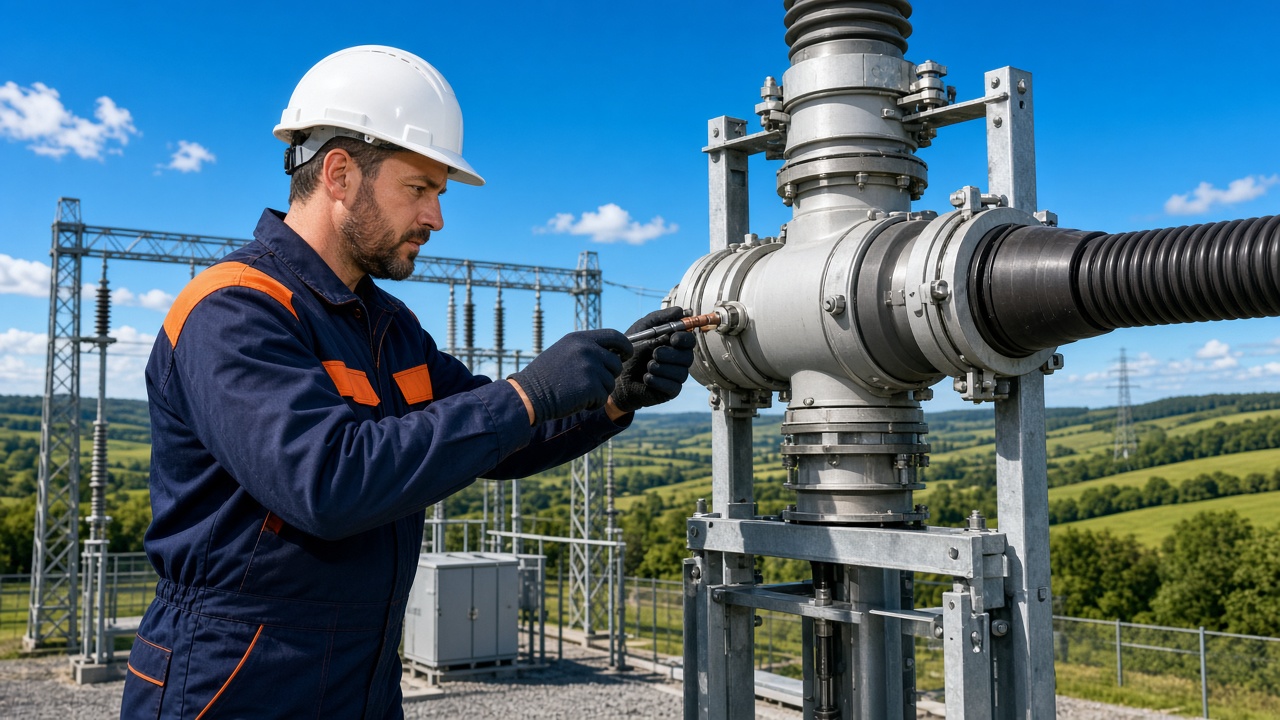
Data Centres Are Draining the UK's Electrician Talent Pool
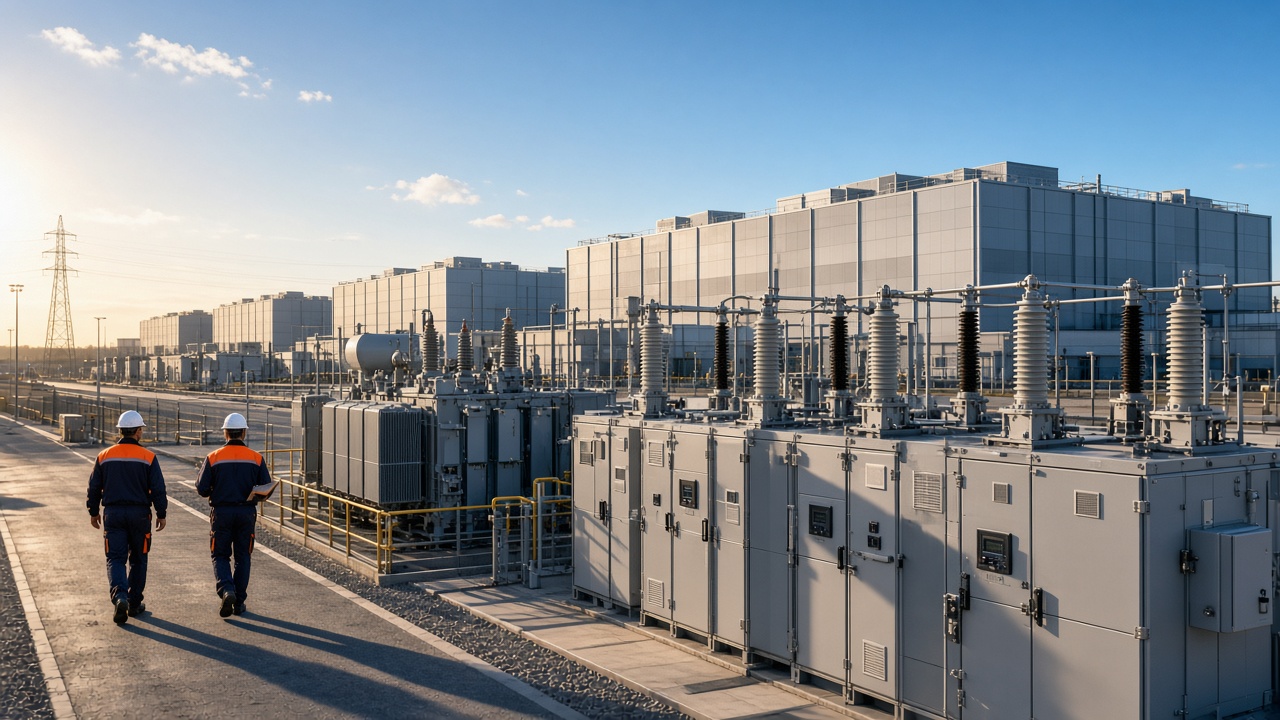
October surveys show data centres pulling UK electricians from other work, while water faces a skills crisis. What it means for your pay and next move.
Every so often a single survey says out loud what everyone on site already knows. This month there were two of them, plus an industry roundtable, and they all point the same way: the UK has more electrical work than it has people to do it, and the AI data centre boom is now the biggest magnet in the market.
That's a challenge for clients and contractors. For electricians, it's one of the best bargaining positions the trade has had in a generation. Here's what the latest research actually says, where the pressure is building, and how I'd play it if I were holding a JIB card right now.
What the October surveys found
On 16 October, Construction News reported on Gleeds' latest quarterly market survey, covering the three months to the end of September. Four in ten respondents said that of all trade shortages, mechanical and electrical (M&E) was having the greatest impact on project delivery and productivity. Gleeds' blunt verdict was that data centre builds are "effectively draining the talent pool available for other commercial or residential projects", with complex refurbishment jobs left particularly exposed.
The scale explains why. The same report puts the UK data centre pipeline at around £100 billion, and notes that on some schemes M&E firms are stepping up to act as main contractor because their packages can account for up to 80 per cent of project value. When the electrical and mechanical work is the building, the people who deliver it become the scarcest resource on the job.
Gardiner & Theobald's October 2026 MEP Contractor Survey of 25 specialist MEP contractors backs this up with real detail. Its headline is that capacity, not demand, is now the binding constraint. 60% of respondents cited labour availability and wage inflation as a pricing driver, up from 42% in May and more than any other factor. Average MEP labour rates remain 12% to 15% above June 2024 levels, and 96% of respondents expect trade labour costs to rise over the next six months.
The data centre detail is the bit I find most telling. Data centres make up only about 10% of these contractors' average workload, yet 15 of the 25 firms brought them up in their comments, mostly about competition for plant and labour. One contractor put it simply: "The DC industry is driving up salaries." Another said the real issue is the "split of skilled labour between major schemes (manufacturing / data centres) and the rest of the industry."
It's not just people: kit is tight too
Rider Levett Bucknall's Q3 2026 data centre market intelligence paints the same picture from the client side. Demand is strongest across London, Slough and the wider South East, with growing developer interest in Northumberland, South Wales and Scotland. RLB says large HV transformers are typically carrying lead times of four to five years, with many leading manufacturers effectively sold out into 2030 and beyond, and data centre MV switchgear is seeing delays of up to two years. Copper is up more than 50% year on year.
And on labour, RLB is explicit: demand is exceptionally strong for electricians, commissioning engineers, HVAC technicians and other MEP professionals, and wage inflation for those skills "continues to outpace wider market trends".
Why does that matter to an electrician? Because long lead times on switchgear and transformers mean projects are planned years ahead. A data centre campus that's ordering its HV kit today is telling you, very clearly, that it will need terminations, testing and commissioning crews in 2028 and 2029. This isn't a short sugar rush. It's a pipeline.
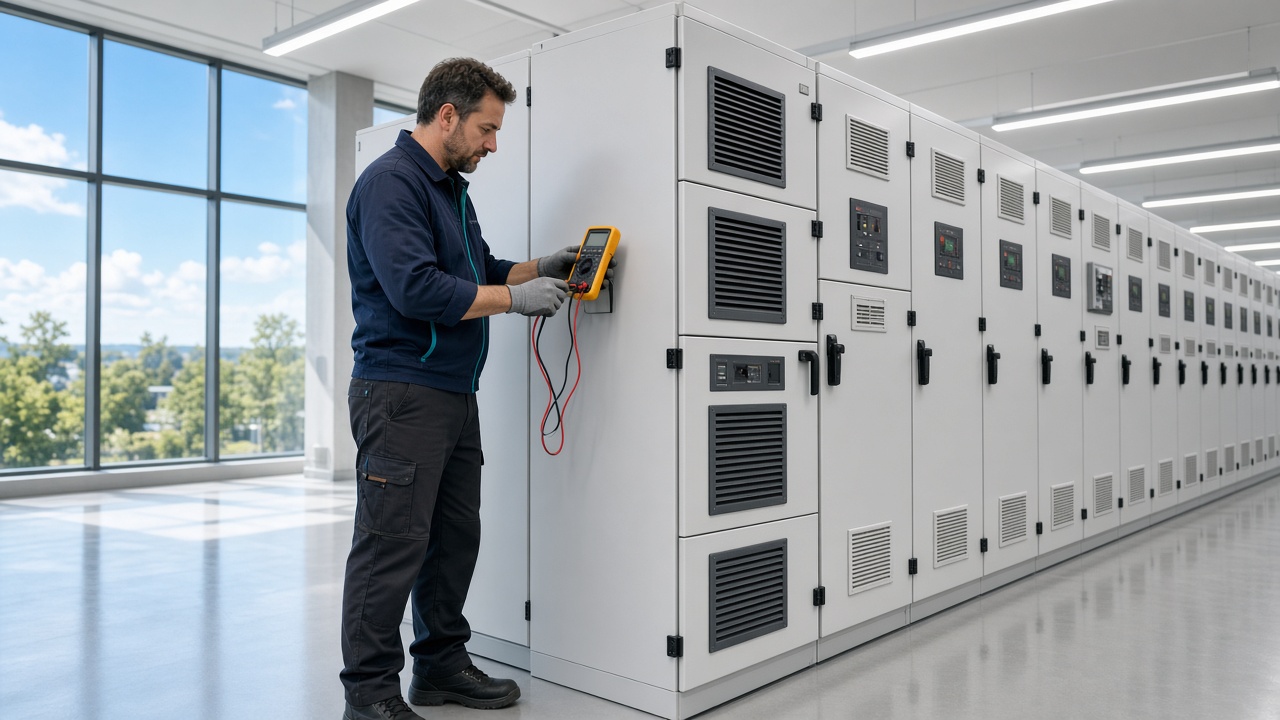
Water: the quieter shortage that's just as real
Data centres grab the headlines, but they're not the only sector competing for skilled sparks. On 1 October the Electrotechnical Contractors' Association (ECA) warned that a shortage of specialist electrical skills in the water sector could slow vital infrastructure upgrades. Its roundtable of contractors, trainers and water sector representatives pointed to an ageing workforce, pressure on apprenticeship pipelines and "fierce competition for skilled labour from higher-paying sectors".
Two points from that roundtable deserve a wider audience. First, many new entrants are leaving college without the practical experience needed for complex industrial environments, so employers are absorbing the cost of extra site-readiness training. Second, general electrical qualifications are too often treated by applicants as proof of specialist competence. In hazardous settings like water treatment, additional assessment and experience are essential.
Gary Parker, ECA's Deputy Director of Technical, put it well: "This is about more than holding a qualification. Competence means having the right technical knowledge, practical experience, safe behaviours and ongoing development — particularly in high-risk environments such as water treatment and hazardous area work."
The ECA also flagged limited awareness of the Water Industry Mechanical and Electrical Specifications (WIMES) as a barrier for contractors trying to break into the sector. If you're an electrician thinking about water, that's a free tip: learn what WIMES is before your interview, and you'll already stand out.
Europe is chasing the same people
This isn't only a British story. France's electrical grid sector, in a workforce study backed by France 2030, estimated it needs close to 43,000 recruits in core grid occupations by 2030. Here at home, Energy & Utility Skills' research this month found Britain's electricity networks need to recruit and train about 71,000 people by 2035, which we unpacked in our 210,000 grid jobs piece.
Put that together and you get a continent-wide contest for the same skill set: HV awareness, testing and commissioning, controls, and the discipline to work safely on critical infrastructure. Skilled electricians are becoming a strategic asset for whole economies, not just for individual contractors.
The honest risks
I'm optimistic, but I don't want to oversell it. The Gleeds survey found the wider construction industry is still under pressure, with fragile confidence and uncertain costs, and nearly half of respondents named global conflicts as the sector's biggest threat. G&T found contractors' margins are thin, with nine of the 20 reporting profit on 3% or less. And the biggest single brake on the data centre boom is grid power: RLB reports some developers being offered connection dates of 2038 and beyond.
So not every announced data centre will get built on time, and some general building work will stay soft. But the direction of travel is clear. When the binding constraint on a £100 billion pipeline is skilled people, the skilled people hold the cards.
What I'd do now if I were an electrician
- Get mission-critical experience on your CV. Data centres, hospitals and water treatment all value people who understand redundancy, permits to work and zero-downtime changeovers. Even one data centre package makes you more employable everywhere else.
- Push into testing and commissioning. Commissioning engineers are named again and again as a shortage skill. Inspection and testing qualifications, plus hands-on experience with UPS, generators and switchgear, are where pay climbs fastest.
- Look at specialist routes in water and hazardous areas. If you're drawn to industrial work, CompEx and a basic grasp of WIMES set you apart from applicants who only hold a general qualification, which is exactly the gap the ECA described.
- Don't undersell yourself. Labour rates are well above 2024 levels and almost every contractor expects them to keep rising. Know the JIB rates for your grade, then negotiate on top of them for shift work, travel and specialist skills.
- Think regionally. The South East is the hotspot, but growth zones in the North East, South Wales and Scotland are attracting developer interest. Getting in early in a new cluster can make you the experienced hand everyone wants when it scales.
- Use AI tools to work smarter, not just harder. G&T's survey found 22% of contractors are already using AI widely and a third are piloting it, mainly for reporting, admin and bids. Assistants like Grok Bot, Claude or ChatGPT can help you draft method statements, summarise specs or prep for interviews. Your hands and judgement still do the real work.
My take: this is a genuinely exciting moment for the trade. The machines that will run the AI age need power, cooling and resilient electrical systems, and every one of them needs electricians to build and look after it. If you've been thinking about stepping up a grade, switching sector or going after a specialist ticket, the market is telling you to do it now.
Browse electrical, commissioning and data centre roles on our jobs board and see who's hiring near you.